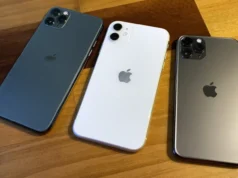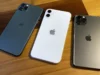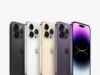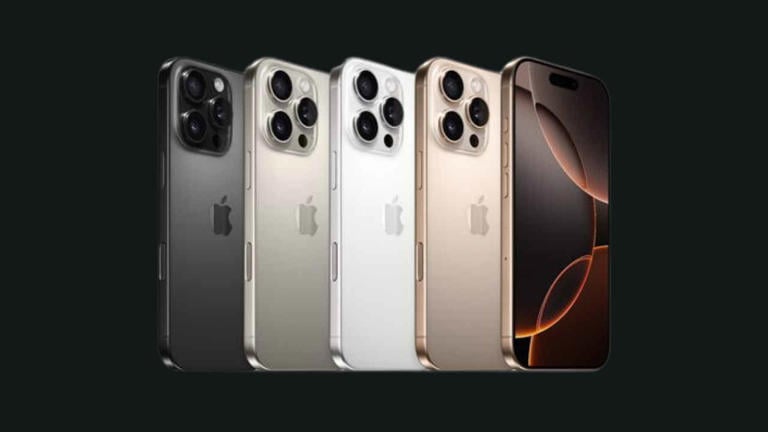
Pick up an iPhone 12 in 2026 and it does not feel like a phone from 2020. The flat aluminium edges, the squared corners, the compact 6.1-inch form factor — this is the design language Apple used through the iPhone 13 and iPhone 14, and still references in the iPhones 16 and 17 Air today. The iPhone 12 introduced it. That design continuity is part of the honest explanation for why, six years after launch, the iPhone 12 remains one of the most-searched iPhones in Nigeria.
The other part: the iPhone 12 introduced five things that no iPhone had ever had before — 5G connectivity, MagSafe wireless charging, Ceramic Shield front glass, an OLED display on the standard (non-Pro) model, and the A14 Bionic: the world’s first 5nm chip. In 2026, all five still add up to a phone that runs iOS 18, supports every Nigerian banking app and WhatsApp update, and costs ₦220,000–₦290,000 for the 128GB in the used market. That is the proposition.
We have covered the iPhone 12 UK-used market in detail in our iPhone 12 price range guide. This post is the comprehensive 2026 review: everything the 12 does, what it costs across all storage tiers, who it is right for, and the two comparisons — against the cheaper iPhone 11 and the more expensive iPhone 13 — that should frame your decision.
Looking for a new iPhone with manufacturer warranty? iPhone 16 from ₦1,184,500 at Kara → · Factory sealed · Apple warranty · Same-day Lagos delivery
Table of Contents
iPhone 12 Price in Nigeria — June 2026
Every iPhone 12 in Nigeria is UK-used or locally pre-owned. These prices reflect the current Lagos and Abuja market:
| Model | Storage | Market Price (₦) | Notes |
|---|---|---|---|
| iPhone 12 | 64GB | ₦180,000 – ₦240,000 | UK-used; minimum practical storage |
| iPhone 12 | 128GB | ₦220,000 – ₦290,000 | UK-used; recommended |
| iPhone 12 | 256GB | ₦270,000 – ₦360,000 | UK-used; best value per naira |
The 128GB is the practical sweet spot for most buyers. The 64GB fills up uncomfortably fast once iOS 18, WhatsApp, banking apps, and a growing photo library are competing for space. The 256GB gives you room to work with for years — particularly relevant if you use ProRAW photography or record 4K video regularly. The price premium from 128GB to 256GB is modest relative to the usability gain.
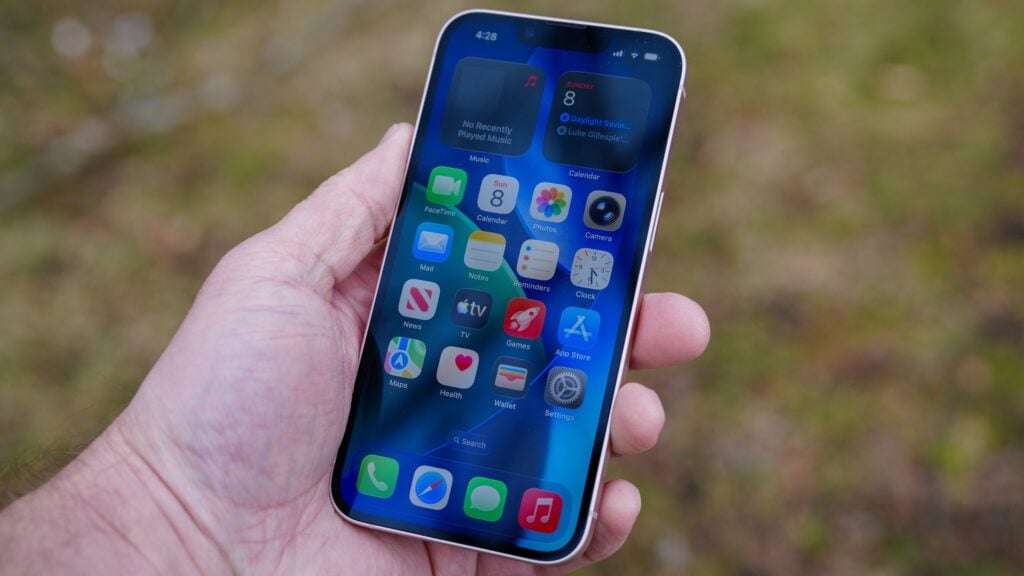
Five Things the iPhone 12 Introduced That No iPhone Had Before
Understanding why the iPhone 12 remains popular in 2026 requires knowing what it changed. These five features arrived with the iPhone 12 and none of them existed on the iPhone 11:
1. 5G — the first 5G iPhone ever
The iPhone 12 is the first iPhone to support 5G. In Nigeria, where MTN and Airtel have been rolling out 5G in Lagos, Abuja, and Port Harcourt, the iPhone 12 can connect where the iPhone 11 and every older iPhone cannot. For most Nigerian users in 2026, 4G LTE remains the primary network experience — but owning a 5G-capable phone means no forced upgrade when coverage expands.
2. MagSafe — the first iPhone with magnetic wireless charging
The iPhone 12 introduced MagSafe: a ring of magnets embedded in the back of the phone that aligns perfectly with MagSafe chargers and accessories. On the iPhone 12, MagSafe charges at 15W — faster than standard Qi wireless charging. For Nigerian users who want to charge opportunistically without hunting for a Lightning port in the dark, MagSafe is practical. The ecosystem of MagSafe cases, wallets, and mounts that has built up since 2020 is now mature and widely available.
3. OLED display — first on a standard (non-Pro) iPhone
Every iPhone before the 12 used LCD on the standard model. The iPhone 11’s display was good — bright, accurate, functional. But the iPhone 12’s OLED is categorically different: true black pixels (not backlit grey), higher contrast, more vivid colour, and significantly better visibility in direct sunlight. For Nigerians who use their phone outdoors — in traffic, at markets, on the street — the OLED display’s outdoor brightness is a real daily improvement over the iPhone 11’s LCD.
4. Ceramic Shield — the strongest front glass on any iPhone at launch
Apple partnered with Corning to create Ceramic Shield: a glass matrix infused with nano-ceramic crystals that Apple claimed was four times better at surviving drops than the glass on the iPhone 11. In practice, the iPhone 12’s front glass has proven noticeably more resilient to face-down drops than previous generations. Six years of user experience has broadly validated the claim. For Nigerians who drop their phone on concrete, tiles, and asphalt, Ceramic Shield is meaningful protection.
5. A14 Bionic on 5nm — a generational chip leap
The A14 Bionic was the world’s first chip manufactured on a 5nm process. In 2026, the A14 still handles every everyday task without hesitation: WhatsApp, banking apps, Instagram, Google Maps, 4K video recording, and the full suite of Apple Intelligence core features run without lag. It is not the A18 or A19 of the current iPhones, but it is far from outdated for the workloads most Nigerian professionals put through it daily.
Our iOS 26 support guide confirms the iPhone 12 runs iOS 18 in full and will continue to receive security patches for the foreseeable future. All Nigerian banking apps, WhatsApp, and Apple Intelligence core features work on this phone.
iPhone 12 Full Specifications
| Specification | iPhone 12 |
|---|---|
| Chip | A14 Bionic — first 5nm chip ever in a smartphone |
| Display | 6.1″ Super Retina XDR OLED — first OLED on a standard (non-Pro) iPhone |
| Rear cameras | 12MP wide (f/1.6) + 12MP ultrawide. No telephoto. |
| Front camera | 12MP TrueDepth with Face ID |
| 5G | Yes — first ever 5G iPhone. Sub-6GHz + mmWave (where available) |
| MagSafe | Yes — MagSafe introduced on this model. 15W wireless charging |
| Battery | 2,815 mAh — smaller than iPhone 11 (3,110 mAh). Roughly 5–7 hours in Nigerian use |
| Front glass | Ceramic Shield — first ever on any iPhone. 4× better drop resistance than iPhone 11 |
| Frame | Flat-edge aluminium — the design Apple still uses through iPhone 14 |
| Water resistance | IP68 — 6 metres for 30 minutes |
| iOS support | iOS 18 ✅ — full support including core Apple Intelligence features |
| Storage options | 64GB / 128GB / 256GB |
| Connector | Lightning — not USB-C (USB-C arrived with iPhone 15) |
| Colours | Black, White, Product RED, Green, Blue, Purple |
| Nigeria price (128GB) | ₦220,000 – ₦290,000 (UK-used, June 2026) |
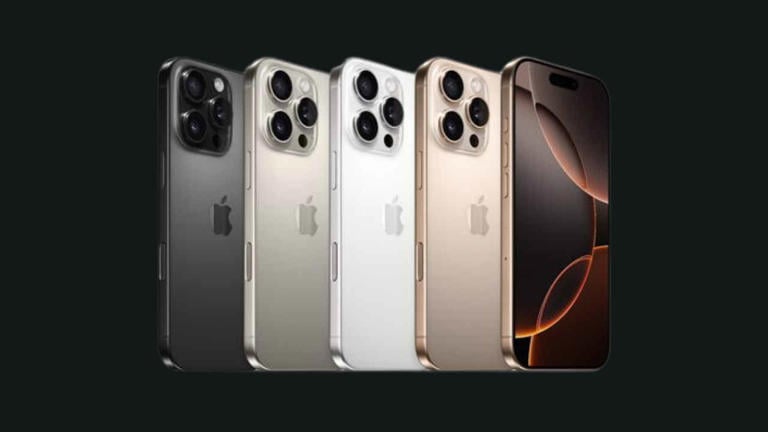
iPhone 12 Colours: All Six Options
The iPhone 12 came in more colour options than any previous standard iPhone. Here is what each looks like in practice:
- Black: The default professional choice. Pairs the flat black glass back with a matching black aluminium frame. Never looks dated, works in any context. The most common colour in the Nigerian used market.
- White: White back glass with a silver aluminium frame. Clean, light, and distinctive from the standard dark-phone look. Shows smudges more visibly but remains elegant.
- Product RED: The most immediately recognisable iPhone 12. Vivid red back glass with a black frame. In Nigeria’s used market, Product RED commands a small premium over standard colours because of its visual distinctiveness.
- Green: A muted, sophisticated green — not loud or bright. Often described as ‘sage’ or ‘mint’ in character. Popular with buyers who want colour without being bold about it.
- Blue: A medium-depth blue, warmer than the navy of some competitors and cooler than Royal Blue. One of the more popular colours in the UK-used supply chain.
- Purple (added later): Added by Apple months after launch. A pale, near-lavender purple that photographs differently in different light. The rarest colour in the Nigerian used market — search actively if this is the one you want.
Colour availability in the Nigerian used market varies by storage tier and import batch. Black and Product RED are consistently available. Purple may require patient searching.
Common Questions: 5G and Water Resistance
Is the iPhone 12 5G in Nigeria?
Yes. The iPhone 12 is Nigeria’s first 5G iPhone. It supports Sub-6GHz 5G — the frequency band used by MTN and Airtel in their current Nigerian 5G rollout. When your SIM is on a 5G network in a covered area, the iPhone 12 will show 5G in the status bar and connect at 5G speeds. In areas without 5G coverage (the majority of Nigeria in 2026), it falls back to 4G LTE automatically.
Is the iPhone 12 waterproof?
The iPhone 12 carries an IP68 water resistance rating: certified to survive submersion at 6 metres for up to 30 minutes in controlled conditions. In practice, this means rain, splashes, dropped in a bucket or toilet — handled without damage under normal circumstances. Note that water resistance on a used unit may have degraded from wear or previous impact. Do not rely on the IP68 rating for deliberate swimming or sustained submersion.
iPhone 12 vs iPhone 11: What ₦70,000–₦90,000 Extra Buys
The iPhone 11 costs ₦150,000–₦200,000 for the 128GB in Nigeria’s used market. The iPhone 12 costs ₦220,000–₦290,000 for the same storage. The gap is ₦70,000–₦90,000. Here is exactly what it buys:
| Feature | iPhone 11 | iPhone 12 |
|---|---|---|
| Display | 6.1″ LCD | 6.1″ OLED — meaningfully better |
| 5G | ❌ No | ✅ Yes |
| MagSafe | ❌ No | ✅ Yes — 15W |
| Front glass | Standard glass | Ceramic Shield — 4× stronger |
| Design | Rounded edges (2019 era) | Flat edges — still current aesthetic |
| Battery | 3,110 mAh — lasts longer | 2,815 mAh — slightly shorter |
| Nigeria price (128GB) | ₦150,000–₦200,000 | ₦220,000–₦290,000 |
The verdict: the iPhone 12’s OLED display, 5G, MagSafe, and Ceramic Shield are meaningful daily-use improvements, not spec-sheet curiosities. If your budget reaches ₦220,000, the iPhone 12 is the stronger purchase. If you are firmly under ₦200,000, the iPhone 11 remains excellent value at its price — particularly its battery life, which is meaningfully better than the iPhone 12’s.
iPhone 12 vs iPhone 13: Should You Spend More?
The iPhone 13 costs ₦300,000–₦400,000 for the 128GB in Nigeria’s used market — roughly ₦80,000–₦110,000 more than the iPhone 12 at comparable storage. The iPhone 13 brings a larger battery (3,227 mAh vs 2,815 mAh on the 12), a brighter display, improved cameras with Cinematic Mode, and diagonal dual-camera arrangement. The A15 Bionic chip is faster than the A14, though both handle everyday tasks without hesitation.
We have covered this comparison in full in our dedicated iPhone 12 vs iPhone 13 price analysis. The short version: if battery life is your primary concern, the iPhone 13’s larger battery is worth the premium. If your budget is ₦220,000–₦290,000 and you are choosing between the iPhone 12 and saving more for the iPhone 13, the iPhone 12 at today’s prices is a strong hold.
Who the iPhone 12 Is Right For in 2026
- Buyers whose budget is ₦220,000–₦350,000 who want an OLED display. The iPhone 11 at this price has LCD. The iPhone 12 has OLED. For users who spend significant time on video, photography, and reading, the display difference is real.
- Users who want 5G readiness. The iPhone 12 is the cheapest iPhone in Nigeria’s used market that connects to 5G networks. If you are in a 5G-covered area in Lagos or Abuja and want to use it, the iPhone 12 is your entry point.
- MagSafe ecosystem users. If you already use MagSafe chargers, wallets, or mounts with a current iPhone, the iPhone 12 is the oldest model compatible with MagSafe accessories.
- Buyers who want a phone that looks current in 2026. The flat-edge design of the iPhone 12 is the same aesthetic Apple used through the iPhone 14. It does not read as a 2020 phone. It reads as a current-era device.
The iPhone 12 is less suitable for: users who need all-day battery without a power bank (the 2,815 mAh is the smallest of the iPhone 12 family), buyers whose budget is under ₦200,000 (the iPhone XR with iOS 18 is the right recommendation there), and anyone who needs a telephoto lens (the iPhone 12 has no telephoto — the iPhone 12 Pro does).
Before You Buy: Four Essential Checks
At ₦180,000–₦360,000, these checks are non-negotiable:
- Battery health: Settings → Battery → Battery Health. Buy at 80%+ to get adequate daily range from the already-modest 2,815 mAh cell. Below 80% means 3–4 hours of real use and warrants a replacement or significant price negotiation.
- MagSafe alignment: If you plan to use MagSafe charging, bring a MagSafe charger or borrow one from the seller. The magnet ring should snap cleanly and hold the charger without repositioning. Weak magnet retention suggests internal damage.
- OLED display: Open a solid white image at full brightness. Check for yellowing at edges (backlight issue on LCD — not applicable here) or green tinting (common OLED fault on some units). Look for bright-spot artifacts at corners.
- Serial number: Verify at checkcoverage.apple.com. Confirms purchase date, warranty status, and lost/stolen report.
The full buying framework is in our UK-used iPhone buyer’s protection guide.
Frequently Asked Questions
How much is iPhone 12 in Nigeria?
The iPhone 12 costs ₦220,000–₦290,000 for the 128GB, ₦270,000–₦360,000 for the 256GB, and ₦180,000–₦240,000 for the 64GB in Nigeria’s used market as of June 2026. The 128GB is recommended.
Is the iPhone 12 5G?
Yes. The iPhone 12 is the first iPhone ever to support 5G. It connects to MTN and Airtel’s 5G networks in covered areas in Lagos, Abuja, and Port Harcourt. In areas without 5G coverage, it uses 4G LTE automatically.
Is the iPhone 12 waterproof?
The iPhone 12 has an IP68 rating — water resistant to 6 metres for 30 minutes. It handles rain, splashes, and accidental submersion. Water resistance on UK-used units may have degraded; do not rely on the rating for deliberate underwater use.
Is iPhone 12 still worth buying in 2026?
Yes, for buyers whose budget is ₦220,000–₦360,000. It runs iOS 18, supports all Nigerian banking apps and WhatsApp, has 5G, MagSafe, OLED display, and Ceramic Shield. The limitations are Lightning (not USB-C), a modest 2,815 mAh battery, and no telephoto camera. At its price tier, it is one of the best-value used iPhones available in Nigeria.
Should I buy the iPhone 12 or save for the iPhone 16?
If the iPhone 16 is achievable within 6–12 months, saving is the stronger move. The iPhone 16 at ₦1,184,500 (128GB) at Kara offers USB-C, 48MP camera, Apple Intelligence, and manufacturer warranty through 2031. The iPhone 12 at ₦220,000–₦290,000 serves well as a bridge device for 18–24 months while savings build.
The Bottom Line
The iPhone 12 costs ₦180,000–₦360,000 in Nigeria in June 2026. It introduced five things no iPhone had before: 5G, MagSafe, Ceramic Shield, an OLED display on the standard model, and the flat-edge design aesthetic that defines the iPhone look through 2024. Six years on, all five remain genuine daily advantages.
The 128GB at ₦220,000–₦290,000 is where most buyers should land. Check battery health — the 2,815 mAh cell is this phone’s weakest point and degrades meaningfully after six years of charging cycles. Verify the OLED display for green tinting or bright spots. Confirm MagSafe alignment if you plan to use wireless charging.
If your budget is firmly under ₦200,000, the iPhone XR is the iOS 18 recommendation at that tier. If your budget reaches ₦300,000–₦400,000, the iPhone 13’s larger battery and improved camera are worth examining. For everything in between: the iPhone 12 is one of the most well-rounded used iPhone purchases available in Nigeria right now.
Shop new iPhones at Kara with manufacturer warranty → · iPhone 16 from ₦1,184,500 · Factory sealed · Same-day Lagos delivery