Home Blog Page 6

Complete iPhone Battery Replacement Guide for Older iPhones in Nigeria

0
iPhone battery replacement for older iPhones in Nigeria showing a technician repairing an opened iPhone with tools and a replacement battery on a repair desk
A technician replacing the battery of an older iPhone using professional repair tools and a new replacement battery.

Older iPhones still serve many Nigerians well. From business owners managing WhatsApp orders to students attending online classes, these phones remain useful long after newer models are released. However, as iPhones age, battery performance often becomes the first major issue. If your phone no longer lasts through the day, it may be time to consider a best battery replacement for older iPhones in Nigeria. Before replacing the battery, it is important to understand the warning signs, the risks involved, and how to choose the right replacement option.

Common Signs Your Older iPhone Battery Needs Replacement

iPhone batteries degrade naturally over time. After two or three years of regular use, performance begins to drop. Recognizing these signs early helps prevent unexpected shutdowns or damage to the phone.

One clear sign is rapid battery drain. If your iPhone drops from 100 percent to 40 percent within a few hours of light use, the battery may already be worn out. Another warning sign is when the phone switches off suddenly even when the battery level still shows 20 or 30 percent.

Many users also notice overheating during charging or normal use. This often indicates that the battery is struggling to maintain stable power output. When you see these symptoms, it may be time to consider a how to replace an iPhone battery safely in Nigeria approach instead of continuing to use a weak battery.

Why Older iPhone Batteries Fail Faster

Older iPhones rely on lithium-ion batteries, and these batteries have a limited number of charge cycles. A charge cycle occurs when you use 100 percent of the battery capacity, whether in one go or over several charges.

Heavy apps, poor charging habits, and exposure to heat can speed up battery degradation. Over time, the battery cannot hold as much energy as it did when the phone was new. This is why many users search for a battery replacement for iPhone 7 and iPhone 8 users once their devices reach three or four years of use.

In Nigeria, irregular electricity supply also affects battery health. Frequent charging with power banks or unstable electricity sources can contribute to faster battery wear.

Important Warnings Before Replacing Your iPhone Battery

Replacing a battery may seem simple, but there are risks if it is done incorrectly. Many cheap replacement batteries sold in the market do not meet safety standards.

Using poor quality batteries can lead to overheating, swelling, or even permanent damage to your phone. For this reason, it is important to look for a safe replacement battery for older iPhones rather than choosing the cheapest option available.

Another warning is that improper installation can damage internal components such as the screen connectors or motherboard. If you are not experienced with phone repairs, it is safer to work with a professional technician or buy from a reliable store offering a trusted iPhone battery replacement option in Nigeria.

Types of Replacement Batteries Available

Not all replacement batteries are the same. Understanding the available options helps you make a better decision.

Battery TypeDescriptionBest For
Original Apple batteryHighest quality but expensiveLong term reliability
High-quality third-party batteryReliable if sourced from trusted sellersAffordable alternative
Cheap generic batteryOften unreliableNot recommended

Many Nigerian buyers look for a reliable third-party battery replacement for iPhones because it balances cost and performance.

How to Choose the Right Battery Replacement

When selecting a replacement battery, consider the following factors.

Capacity matters. Choose a battery that matches the original capacity of your phone model. Oversized batteries that promise unrealistic power often fail quickly.

Certification is another important factor. Look for batteries that meet recognised safety standards. This helps reduce the risk of overheating or swelling.

It is also wise to buy from a trusted supplier offering a where to buy iPhone replacement batteries in Nigeria solution with clear warranty support. Reliable stores usually provide quality assurance and installation guidance.

Should You Replace the Battery or Upgrade the Phone?

Sometimes replacing the battery is the most economical solution. If your iPhone still performs well for your daily tasks, a battery replacement can extend its life for another one or two years.

However, if the phone struggles with newer apps or software updates, upgrading may be the smarter option. Some users exploring the best battery replacement option for older iPhones eventually decide to move to newer models instead.

Before deciding, compare the cost of battery replacement with the price of upgrading to a newer device.

Where to Buy Reliable iPhone Batteries in Nigeria

The Nigerian market has many phone accessory sellers, but quality varies significantly. Buying from a reputable store reduces the risk of getting counterfeit batteries.

For trusted accessories and replacement components, consider checking reliable retailers such as:

Shopping from established stores helps ensure you receive a high-quality replacement battery for older iPhones that meets safety and performance standards.

Expert Tips to Extend Your New Battery Life

Once you replace the battery, good usage habits will help it last longer.

Avoid exposing your phone to high temperatures, especially inside vehicles or under direct sunlight. Charge your phone using quality chargers and cables to maintain stable power flow.

Try not to let the battery drain completely before charging. Partial charging throughout the day often helps lithium-ion batteries last longer.

Many users searching for a how to make an iPhone battery last longer after replacement find that simple charging habits can significantly extend battery lifespan.

Final Recommendation for Nigerian Buyers

Replacing the battery of an older iPhone can restore its performance and extend its useful life. However, it is important to avoid cheap generic batteries that may damage your device.

Choose a reliable replacement battery, install it properly, and follow good charging practices. If done correctly, this simple upgrade can keep your iPhone running smoothly for years.

If you are considering a battery replacement today, explore trusted options here:

Shop Quality iPhone Batteries on Kara.com.ng

Making the right battery choice now will save you repair costs and help your device perform reliably every day.

Essential Guide to IP Security: Protect Your Network in 2026

0
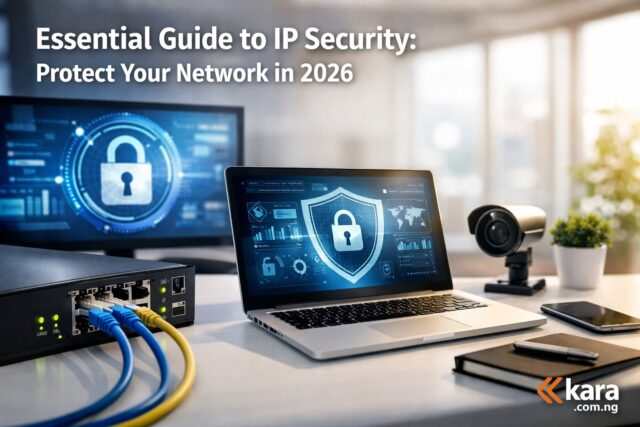
Essential guide to IP security showing a modern office workspace with a laptop displaying network protection, router with ethernet cables, and security monitoring tools
A modern network security setup illustrating how IP security tools help protect business networks from cyber threats in 2026.

As cyber threats grow more advanced and network environments become increasingly complex, IP security has become a critical priority for businesses and individuals alike in 2026. From ransomware attacks to unauthorized access and data breaches, unsecured networks expose sensitive information and digital infrastructure to serious risks. Implementing strong IP security measures helps protect data integrity, ensure secure communication, and prevent malicious actors from exploiting network vulnerabilities. In this essential guide, you’ll learn what IP security is, why it matters in today’s digital landscape, and the practical strategies and tools you can use to safeguard your network effectively

Understanding IP Security: An Overview

Internet Protocol (IP) security, commonly known as IPsec, is a framework of protocols designed to secure communications over network infrastructure. It is primarily used to protect data transmitted over the internet and ensure that it remains confidential, authentic, and intact. IP security operates at the network layer of the OSI model, making it a versatile and robust solution for safeguarding data across local area networks (LANs) and wide area networks (WANs). It encompasses a suite of protocols that work together to encrypt data, authenticate users, and ensure data integrity.

The foundation of IP security lies in its ability to establish secure tunnels between network devices, such as routers, firewalls, or even individual computers. These tunnels, known as IPsec tunnels, encrypt the data packets that travel through them, making it nearly impossible for unauthorized parties to intercept or tamper with the information. IPsec uses a combination of cryptographic algorithms and security protocols, such as the Authentication Header (AH) and the Encapsulating Security Payload (ESP), to provide comprehensive protection for data in transit. By leveraging these protocols, IPsec ensures that data remains confidential, authenticated, and unaltered from its source to its destination.

Another critical aspect of IP security is its ability to support secure remote access. With the increasing prevalence of remote work and mobile devices, securing remote connections has become a top priority for organizations. IPsec enables the creation of Virtual Private Networks (VPNs), which allow remote users to securely connect to their organization’s network over the Internet. By encrypting the data transmitted between the remote device and the network, IPsec VPNs protect sensitive information from cyber threats and ensure that remote users can access the resources they need without compromising security. This capability is essential for maintaining the integrity and confidentiality of data in today’s interconnected world.

Importance of IP Security in Today’s Digital Landscape

In the current digital landscape, IP security is critical. As businesses and individuals increasingly rely on digital communication and data exchange, the potential for cyber threats has grown exponentially. Cybercriminals are constantly developing new methods to exploit vulnerabilities in network infrastructures, making it imperative for organizations to implement robust security measures. IP security plays a crucial role in protecting sensitive information, maintaining data integrity, and ensuring the privacy of communications.

One of the primary reasons IP security is so vital today is the sheer volume of data being transmitted over networks. From financial transactions to personal communications, vast amounts of sensitive information are exchanged online every second. Without adequate security measures, this data is vulnerable to interception, manipulation, and theft. IPsec’s ability to encrypt data packets and authenticate users helps to mitigate these risks, providing a secure environment for data transmission. This level of protection is essential for maintaining trust and confidence in digital interactions, particularly in industries such as finance, healthcare, and e-commerce, where data security is paramount.

Another factor driving the importance of IP security is the increasing sophistication of cyber threats. Cybercriminals are continually evolving their tactics, employing advanced techniques such as phishing, ransomware, and distributed denial-of-service (DDoS) attacks to compromise networks. These attacks can have devastating consequences, including financial losses, reputational damage, and legal repercussions. By implementing IPsec, organizations can enhance their defenses against these threats, ensuring their networks are resilient and can withstand cyberattacks. The ability to quickly detect and respond to security incidents is also crucial, and IPsec’s comprehensive security framework provides the tools needed to achieve this.

Furthermore, the rise of remote work and the proliferation of mobile devices have introduced new challenges for network security. Employees accessing corporate networks from various locations and devices can create potential entry points for cyber threats. IPsec’s support for secure remote access through VPNs is particularly relevant in this context, as it enables organizations to provide secure connectivity for remote workers. This ensures that sensitive data remains protected, regardless of where employees are located or which devices they use. As remote work continues to be a significant aspect of the modern workforce, the importance of IP security in maintaining a secure, reliable network infrastructure cannot be overstated.

Common Threats to IP Security

In the ever-evolving landscape of cybersecurity, understanding common threats to IP security is crucial for developing effective defense strategies. One of the most prevalent threats is the Man-in-the-Middle (MitM) attack, in which an attacker intercepts and potentially alters communication between two parties without their knowledge. In a MitM attack, the attacker can eavesdrop on the communication, steal sensitive information, or inject malicious content into the data stream. This type of attack can be particularly damaging in scenarios involving financial transactions, personal communications, or any exchange of confidential information. IPsec helps mitigate MitM attacks by encrypting data packets and authenticating communication endpoints, making it significantly more challenging for attackers to intercept or manipulate data.

Another common threat to IP security is Distributed Denial-of-Service (DDoS) attacks. In a DDoS attack, multiple compromised devices, often part of a botnet, are used to flood a target network or server with an overwhelming amount of traffic. The objective is to disrupt the target’s normal functioning, rendering it inaccessible to legitimate users. DDoS attacks can cause significant downtime, financial losses, and reputational damage for organizations. While IPsec is not a standalone solution for preventing DDoS attacks, it can be part of a comprehensive security strategy that includes intrusion detection and prevention systems, firewalls, and traffic analysis tools to identify and mitigate malicious traffic.

Phishing attacks also pose a significant threat to IP security. In a phishing attack, cybercriminals use deceptive emails, messages, or websites to trick individuals into revealing sensitive information, such as login credentials, financial details, or personal information. These attacks often rely on social engineering techniques to create a sense of urgency or legitimacy, making them difficult to detect. Once the attacker obtains the information, they can use it to gain unauthorized access to networks, steal data, or carry out further attacks. IPsec can help protect against phishing by ensuring that communications between users and servers are encrypted and authenticated, reducing the likelihood of successful phishing attempts. Additionally, educating users about phishing signs and implementing multi-factor authentication can further enhance security.

Malware and ransomware are also significant threats to IP security. Malware, short for malicious software, includes a variety of harmful programs such as viruses, worms, and spyware that can infiltrate networks and compromise data. Ransomware, a specific type of malware, encrypts the victim’s data and demands a ransom payment in exchange for the decryption key. These attacks can have devastating consequences, including data loss, financial extortion, and operational disruption. IPsec’s encryption and authentication mechanisms can help prevent the spread of malware by ensuring that only authorized users and devices can access the network. Additionally, implementing regular security updates, endpoint protection, and user training can further reduce the risk of malware and ransomware infections.

Key Components of an Effective IP Security Strategy

Developing an effective IP security strategy requires a comprehensive approach that addresses various aspects of network security. One key component of such a strategy is encryption. Encryption ensures that data transmitted over the network is unreadable to unauthorized parties. IPsec uses robust encryption algorithms to encode data packets, making it nearly impossible for attackers to decipher the information without the appropriate decryption keys. By encrypting data at the network layer, IPsec provides a strong foundation for securing communications and protecting sensitive information from interception and eavesdropping.

Another critical component of an IP security strategy is authentication. Authentication verifies the identity of users and devices attempting to access the network, ensuring that only authorized entities are granted access. IPsec employs various authentication methods, such as pre-shared keys, digital certificates, and public key infrastructure (PKI), to authenticate communication endpoints. This process helps prevent unauthorized access and ensures that data is exchanged between trusted parties. Implementing strong authentication mechanisms is essential for maintaining the integrity and security of the network, especially in environments where sensitive information is transmitted.

Data integrity is also a vital aspect of an IP security strategy. Ensuring data integrity means that the information sent from one point to another remains unchanged during transit. IPsec achieves this by using cryptographic hash functions, which generate unique hash values for data packets. These hash values are included in the packets and verified by the receiving endpoint to ensure that the data has not been altered. By protecting data integrity, IPsec helps prevent tampering and ensures that the information received is accurate and reliable.

Access control is another important element of an effective IP security strategy. Access control mechanisms determine who can access the network, what resources they can use, and what actions they can perform. Implementing access control policies helps limit the exposure of sensitive information and reduces the risk of unauthorized access. Role-based access control (RBAC) and attribute-based access control (ABAC) are common methods for managing access permissions based on user roles, attributes, and context. By enforcing strict access control measures, organizations can better protect their network and data from unauthorized users and potential threats.

Finally, continuous monitoring and incident response are essential components of a robust IP security strategy. Continuous monitoring involves the real-time analysis of network traffic and activities to detect and respond to potential security incidents. By using intrusion detection and prevention systems (IDS/IPS), security information and event management (SIEM) solutions, and network monitoring tools, organizations can identify suspicious behavior and take appropriate action to mitigate threats. An effective incident response plan outlines the steps to take in the event of a security breach, including containment, eradication, recovery, and communication. Having a well-defined incident response plan ensures that organizations can quickly and effectively address security incidents, minimizing the impact on their network and operations.

Best Practices for Implementing IP Security Measures

Implementing IP security measures effectively requires adherence to best practices that ensure comprehensive protection and optimal performance. One of the fundamental best practices is conducting a thorough risk assessment. A risk assessment involves identifying potential vulnerabilities, evaluating the likelihood and impact of various threats, and determining the most critical assets to protect. By understanding the specific risks and threats the organization faces, security teams can prioritize their efforts and allocate resources more effectively. This process helps develop a targeted, efficient IP security strategy that addresses the organization’s unique needs.

Another best practice is to implement multi-layered security controls. Relying on a single security measure is often insufficient to protect against the diverse range of cyber threats. A multi-layered approach, also known as defense in depth, involves deploying multiple security controls at different layers of the network. This includes firewalls, intrusion detection and prevention systems (IDS/IPS), anti-malware solutions, and encryption protocols like IPsec. Each layer provides an additional level of protection, making it more difficult for attackers to penetrate the network. By combining various security measures, organizations can create a more resilient and robust defense against cyber threats.

Regularly updating and patching software and hardware is also a critical best practice for IP security. Cybercriminals often exploit known vulnerabilities in outdated software and hardware to gain unauthorized access to networks. To mitigate this risk, organizations should establish a routine patch management process that ensures all systems are kept up to date with the latest security patches and updates. This includes not only operating systems and applications but also network devices such as routers, firewalls, and switches. By promptly addressing vulnerabilities, organizations can reduce the risk of exploitation and enhance the overall security of their network.

Implementing strong authentication mechanisms is another essential best practice for IP security. Authentication verifies the identity of users and devices attempting to access the network, ensuring that only authorized entities are granted access. Multi-factor authentication (MFA) is highly recommended, as it requires users to provide multiple forms of verification, such as a password, a fingerprint, or a one-time code sent to a mobile device. This additional layer of security makes it more challenging for attackers to gain unauthorized access, even if one form of authentication is compromised. By enforcing strong authentication policies, organizations can significantly enhance network security and protect sensitive information.

Lastly, user education and awareness are crucial components of an effective IP security strategy. Human error is often a significant factor in security breaches, and educating users about the importance of security best practices can help mitigate this risk. Organizations should provide regular training sessions and resources to inform employees about common threats, such as phishing attacks, social engineering, and malware. Additionally, promoting good security hygiene, such as using strong passwords, recognizing suspicious emails, and reporting potential security incidents, can empower users to play an active role in protecting the network. By fostering a culture of security awareness, organizations can reduce the likelihood of human-related security incidents and enhance overall network security.

Emerging Technologies in IP Security for 2026

As we approach the end of the 1st quarter of 2026, the field of IP security is witnessing the emergence of innovative technologies that promise to enhance network protection and address evolving cyber threats. One of the most significant advancements is the integration of artificial intelligence (AI) and machine learning (ML) into IP security solutions. AI and ML algorithms can analyze vast amounts of network data in real time, identifying patterns and anomalies that may indicate security threats. By leveraging these technologies, IP security systems can detect and respond to threats more quickly and accurately, reducing the time it takes to mitigate security incidents. AI-driven threat intelligence and automated response capabilities are transforming the way organizations approach network security, making it more proactive and adaptive.

Another emerging technology in IP security is the adoption of zero-trust architecture. The zero-trust model operates on the principle that no entity, whether inside or outside the network, should be trusted by default. Instead, every access request is thoroughly verified, and continuous monitoring is conducted to ensure that users and devices maintain a secure posture. This approach eliminates the traditional reliance on perimeter-based security and provides a more granular level of control over network access. Implementing zero-trust architecture involves segmenting the network, enforcing strict access controls, and continuously monitoring user and device behavior. By adopting a zero-trust approach, organizations can significantly enhance their IP security and reduce the risk of unauthorized access and lateral movement within the network.

Blockchain technology is also making its mark in IP security. Blockchain’s decentralized and immutable nature makes it an ideal solution for enhancing data integrity and securing communications. By recording transactions and data exchanges on a distributed ledger, blockchain can provide a tamper-proof record of network activities. This capability is particularly valuable for ensuring the integrity of sensitive data and verifying the authenticity of communications. Additionally, blockchain-based identity management systems can enhance authentication by providing a secure, decentralized method for verifying user identities. As blockchain technology continues to evolve, it holds the potential to revolutionize various aspects of IP security, from data protection to identity verification.

Quantum cryptography is another promising technology on the horizon for IP security. Traditional cryptographic algorithms may become vulnerable to attacks from quantum computers, which can perform complex calculations at unprecedented speeds. Quantum cryptography leverages the principles of quantum mechanics to create encryption methods that are theoretically immune to quantum attacks. One such method is Quantum Key Distribution (QKD), which uses quantum particles to securely generate and exchange cryptographic keys. Any attempt to intercept or tamper with the keys would disturb the quantum particles, alerting the parties involved to the presence of an eavesdropper. While practical implementation of quantum cryptography is still in its early stages, ongoing research and development efforts are paving the way for its integration into future IP security solutions.

Case Studies: Successful IP Security Implementations

Examining real-world case studies of successful IP security implementations provides valuable insights into the practical application of security measures and their impact on organizations. One notable example is a global financial institution that implemented IPsec VPNs to secure remote access for its employees. With a large workforce distributed across multiple locations, the institution faced challenges in ensuring the security of sensitive financial data transmitted over the internet. By deploying IPsec VPNs, the organization encrypted data packets and authenticated remote connections, providing a secure channel for employees to access internal systems and resources. This implementation not only enhanced data security but also improved compliance with industry regulations and standards.

Another case study involves a healthcare organization that leveraged IPsec to protect patient data and ensure HIPAA compliance. The organization operated multiple clinics and needed a secure method to transmit electronic health records (EHRs) between locations. By implementing IPsec tunnels, the organization encrypted EHR data in transit, preventing unauthorized access and ensuring data integrity. Additionally, IPsec’s authentication mechanisms helped verify the identity of users accessing sensitive patient information. The successful implementation of IPsec not only safeguarded patient data but also enabled the organization to maintain compliance with stringent healthcare regulations, ultimately enhancing patient trust and confidence.

A third case study highlights the use of IPsec in a manufacturing company to secure its industrial control systems (ICS). The company operated multiple production facilities, each with its own set of ICS devices that controlled and monitored manufacturing processes. These systems were critical to the company’s operations and required robust security measures to protect against cyber threats. By deploying IPsec to encrypt communications between ICS devices and central control systems, the company prevented unauthorized access and ensured the integrity of control data. This implementation enhanced the security of the manufacturing processes, reduced the risk of production disruptions, and protected the company’s intellectual property and proprietary information.

In the education sector, a university implemented IPsec to secure its campus network and protect sensitive student and faculty data. With a diverse range of users accessing the network from various devices, the university faced challenges in maintaining a secure and reliable network infrastructure. By deploying IPsec, the university was able to encrypt data transmitted over the network and authenticate users accessing campus resources. This implementation not only protected sensitive information but also enabled secure remote access for students and faculty, supporting the university’s academic and research activities. The successful deployment of IPsec contributed to a more secure and resilient network environment, fostering a culture of security awareness and best practices among users.

Regulatory Compliance and IP Security Standards

Regulatory compliance is vital to implementing IP security measures, as organizations must adhere to standards and regulations to protect sensitive data and ensure legal and ethical conduct. One of the most widely recognized standards in IP security is the General Data Protection Regulation (GDPR), which applies to organizations operating within the European Union (EU) or processing the personal data of EU citizens. GDPR mandates that organizations implement appropriate technical and organizational measures to protect personal data, including encryption and secure data transmission. IPsec’s encryption and authentication mechanisms align with GDPR requirements, helping organizations ensure the confidentiality, integrity, and availability of personal data.

In the healthcare industry, the Health Insurance Portability and Accountability Act (HIPAA) sets stringent requirements for protecting patient information. HIPAA’s Security Rule mandates that covered entities implement safeguards to protect electronic protected health information (ePHI) during transmission. IPsec’s ability to encrypt data packets and authenticate communication endpoints makes it a valuable tool for achieving HIPAA compliance. By securing the transmission of ePHI, healthcare organizations can mitigate the risk of data breaches, protect patient privacy, and avoid potential fines and penalties associated with non-compliance.

The Payment Card Industry Data Security Standard (PCI DSS) is another critical regulation that affects organizations that handle payment card information. PCI DSS requires that cardholder data be protected during transmission over open, public networks. IPsec’s encryption protocols ensure that payment card information is securely transmitted, preventing unauthorized access and data breaches. Compliance with PCI DSS not only helps organizations protect sensitive payment data but also enhances customer trust and reduces the risk of financial losses and reputational damage resulting from security incidents.

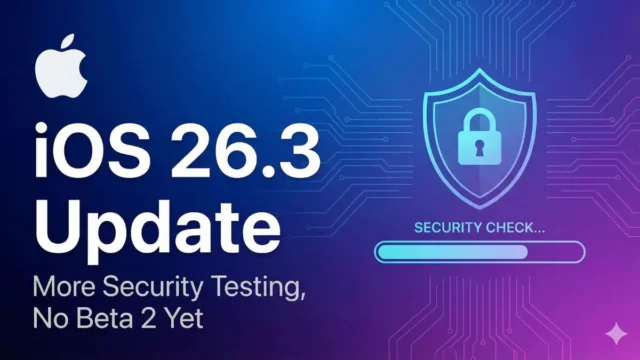
SECURITY ALERT: Critical iPhone Vulnerabilities Fixed in iOS 26.3 

0

As of February 27, 2026, Apple has issued an urgent call to action for all iPhone and iPad users. The release of iOS 26.3 is not just about the new “Liquid Glass” aesthetics or enhanced Siri capabilities; it is a vital defensive wall against a new wave of sophisticated cyber-attacks.

At Kara Nigeria, we understand that a smartphone is more than a gadget—it is your bank, your office, and your private vault. This security update addresses over 40 documented vulnerabilities, including a high-risk exploit (CVE-2026-20700) that Apple acknowledges may have already been used to target specific individuals.

The Hidden Dangers: What’s Under the Hood of iOS 26.3?

This update is designed to stop attackers from gaining total control over your hardware. The vulnerabilities addressed are diverse and dangerous:

  • Zero-Day Exploits (dyld): The most alarming fix involves a memory corruption issue. If left unpatched, an attacker with memory write capabilities can execute arbitrary code. This means a hacker could potentially remotely install spyware, access your microphone, or wipe your data without you ever knowing.
  • Physical Privacy Breaches: Bugs in VoiceOver and Photos allowed unauthorized persons with physical access to a locked device to bypass your passcode and view sensitive private photos or contacts.
  • App “Sandbox” Escapes: Malicious apps could break out of their security boundaries, gaining Root Privileges. This allows a simple app to spy on your banking apps or read your encrypted messages in other applications.
  • Network Hijacking: Vulnerabilities in the Kernel allowed attackers on public Wi-Fi networks (like those in airports or cafes) to intercept your network traffic, potentially stealing login credentials in real-time.

The Psychological Trap: Why We Delay (and Why You Shouldn’t)

It is easy to see a 11GB update notification and click “Remind Me Tomorrow.” In Nigeria, we often worry about data costs or the time it takes to download such a massive file. However, delaying this update is a gamble where the stakes are your identity and your finances.

The Danger of “Tomorrow”: Cybercriminals move faster than software developers. Once a “Zero-Day” vulnerability is made public (as it has been with iOS 26.3), hackers worldwide begin scanning for devices that haven’t updated yet. By delaying, you are essentially leaving your front door unlocked after the police have announced there is a burglar in the neighborhood.

Cost-Benefit Analysis: 11GB vs. Your Digital Life

Many users feel “bothered” by the size of this download. Let’s break down the actual cost of updating versus the cost of a security breach:

The Investment (Updating)The Risk (Delaying)
Data Cost: Approx. ₦2,500 – ₦5,000 for 11GB.Financial Loss: Potential loss of millions via hacked banking apps.
Time: 20-40 minutes on a 5G or Fiber connection.Downtime: Weeks of stress recovering hacked accounts.
Storage: Needs ~25GB of temporary free space.Privacy Loss: Leaked private photos or corporate secrets.
Result: A faster, more secure, and “future-proof” iPhone.Result: A vulnerable device that may “brick” during a forced attack.

The Verdict: The price of a few gigabytes of data is negligible compared to the ₦2,000,000+ value of an iPhone 17 Pro Max or the priceless nature of your personal privacy.

Motivation: Turn Your Device into a Fortress

Updating to iOS 26.3 is an act of digital self-care. It isn’t just about fixing what’s broken; it’s about empowering your device. The update includes a New Modem Firmware that improves 5G stability across Nigeria and introduces “Limit Precise Location,” which prevents carriers from tracking your exact street address.

When you click “Install Now,” you aren’t just downloading code—you are upgrading your peace of mind.

How to Update Safely at Home

  1. Backup First: Use iCloud or a Mac/PC to back up your data.
  2. Power Up: Plug into a steady power source or use an Inverter/UPS to ensure no shutdowns.
  3. Fast Track: Use a stable Wi-Fi 6 Hotspot or Fiber for the fastest 11GB download experience.
  4. Go to: Settings > General > Software Update > Download and Install.

Protect your investment. Whether you are using the iPhone 16 Pro or the latest iPhone Air, your security starts with iOS 26.3.

Samsung’s Executive Sudden Visit Signals New Battle in the Smartphone Market

0

The visit of a top Samsung executive to a retail giant like SLOT Nigeria—especially during the launch window of the Galaxy S26 series (February 2026)—is a massive signal of a strategic shift in the Nigerian mobile market.

While Samsung has traditionally dominated the premium segment, this visit has direct and serious implications for the future of Infinix and other Transsion brands (Tecno and Itel).


The Battle for the “Mid-Range” Supremacy

For years, Infinix thrived by offering “premium-looking” features at a fraction of Samsung’s price. However, Samsung is now using its massive supply chain to fight back.

  • The Samsung Strategy: By strengthening ties with SLOT, it is pushing its Galaxy A-Series (like the A07 and A26) even harder. These phones now directly compete with the Infinix Note and Hot series in terms of price but offer the added prestige of the Samsung brand and longer software update cycles.
  • The Threat to Infinix: Infinix may lose its “value king” status if Samsung continues to leverage its brand power in the sub-₦250,000 category. The Infinix Hot Series boasts of the popular hot 50i which, though now is out of stock and has been replaced by the Infinix Hot 60

Device Financing: The “Affordability” Gap

The biggest hurdle for Samsung in Nigeria has always been the high upfront cost.

  • Samsung’s Move: The visit likely solidifies deeper device financing agreements (such as partnerships with Access Bank or CDcare).
  • The Impact: If a Nigerian consumer can walk into SLOT and get a Galaxy S26 or A56 on a monthly installment plan of ₦20,000, the “cheap” upfront price of an Infinix phone becomes less of a competitive advantage.

Trade-In Wars

Samsung and SLOT have been pioneers in the Trade-In/Swap program.

  • Future Outlook: Samsung is expected to offer aggressive swap deals where users can bring in their old Infinix or Tecno phones and get a significant discount on a new Samsung device. This is a direct attempt to “poach” loyal Transsion users and move them into their ecosystem.

AI and Ecosystem Integration

As of 2026, Galaxy AI is a major selling point.

  • Infinix’s Challenge: While Infinix is great at hardware specs (fast charging, big RAM), it currently lacks a deep, integrated AI ecosystem that matches Samsung’s. By partnering closely with SLOT, it ensures that store reps are trained to sell the experience (Live Translate, Circle to Search, etc.), making Infinix’s “pure hardware” play feel slightly dated.

Summary: What this means for Infinix

The visit indicates that Samsung is no longer content with just being the “Rich Man’s Phone.” They are coming for the mass market that Infinix currently controls. Just like we have the Hisense Smart TV challenging other leading brand of Television

FeatureSamsung (The Challenger)Infinix (The Defender)
Price PointGetting lower via the A-SeriesRising due to high-spec flagship attempts
FinancingStrong (Bank partnerships)Growing, but less institutional
After-SalesHigh (Slot & Samsung Care)Good (Carlcare)
Software4-5 years of updates1-2 years of updates

Buy iPhone 16 & iPhone 17 in Nigeria | Latest iOS 26 Gadgets | Kara

0

As of February 27, 2026, the iPhone ecosystem in Nigeria is defined by two major categories on Kara.com.ng: the highly efficient iPhone 16 Series and the groundbreaking iPhone 17 Series featuring the all-new iPhone Air.

Below is the optimized content for these categories, integrated with strategic backlinks and the latest pricing for the Nigerian market.


1. Apple iPhone 16 Series: The Value-Performance King

While the iPhone 17 has taken the spotlight, the iPhone 16 remains the “sweet spot” for many Nigerian users. It is the most affordable way to access Apple Intelligence and the sleek iOS 26.3 interface.

  • Why Buy in 2026? The iPhone 16 features the A18 Chip and the innovative Camera Control Button, ensuring it stays relevant for years.
  • iOS 26 Ready: It fully supports the Liquid Glass UI, making it look and feel as modern as the newest models.
  • Current Pricing:
    • iPhone 16 (128GB): From ₦1,160,000
    • iPhone 16 Plus (256GB): From ₦1,644,500
    • iPhone 16 Pro Max (512GB): From ₦2,334,500

2. Apple iPhone 17 Series: The Future of Mobile

The iPhone 17 series has redefined the premium market in 2026. This category introduces a revolutionary heat-forged aluminum unibody and the ultra-slim iPhone Air.

  • iPhone 17 Pro & Pro Max: Powered by the A19 Pro chip with a built-in Vapor Chamber cooling system—essential for preventing overheating during the 35°C Nigerian heat.
  • The New iPhone Air: Replacing the “Plus” model, the iPhone Air is the thinnest iPhone ever made (~5.5mm). It features a 6.6-inch ProMotion display and is designed for those who prioritize fashion and portability.
  • Current Pricing:
    • iPhone 17 Pro (256GB): From ₦2,100,000
    • iPhone 17 Pro Max (256GB): From ₦2,330,000
    • iPhone 17 Pro Max (1TB): From ₦3,100,000
    • iPhone Air (256GB): ~₦1,990,000

Summary Table: Which iOS 26 Device is for You?

FeatureiPhone 16 Pro MaxiPhone 17 Pro MaxiPhone Air
ProcessorA18 ProA19 Pro (Vapor Cooled)A19 Bionic
RAM8GB12GB8GB
Screen6.7-inch Super Retina6.9-inch (3,000 nits)6.6-inch (Slim Build)
Main Camera48MP Triple48MP Pro Fusion (8x Zoom)48MP Single Fusion
StatusValue FlagshipUltimate PowerhouseDesign Specialist

10 Essential Printer Tips to Boost Your Printing Experience in Nigeria

0
Modern office workspace showing inkjet and laser printers printing documents with headline text “10 Essential Printer Tips to Boost Your Printing Experience” for a Kara.com.ng blog header.
A modern printing workspace featuring home and office printers, highlighting practical tips to improve print quality, efficiency, and maintenance for Nigerian users.

Printing in Nigeria is not always straightforward. Between unstable power supply, rising ink costs, remote work demands, school assignments, and business documentation, your printer quickly becomes one of the most important devices at home or in the office. Understanding how to use and maintain your printer properly can save money, reduce frustration, and deliver consistently sharp results. This guide shares practical, real world printer tips that help Nigerians print smarter, maintain quality output, and make better buying decisions.

Understand Your Printer Type Before Optimizing Performance

Many printing problems start because users do not fully understand the type of printer they own. The two most common options in Nigerian homes and offices are inkjet and laser printers.

Inkjet printers are popular for students, photographers, and small home offices because they produce vibrant colour prints and clear images. They are usually affordable to buy but may require frequent ink replacement.

Laser printers are better suited for business environments where documents are printed daily. They print faster, handle bulk jobs easily, and cost less per page over time.

If you regularly print invoices, reports, or school materials, choosing based on workload matters more than price. Buyers searching for best printer for Nigerian home office printing should prioritize reliability and cartridge availability locally.

👉 Shop Inkjet Printers on Kara
👉 Shop Laser Printers on Kara

Choose the Right Paper for Better Print Quality

Paper quality directly affects your output more than many people realize. Using the wrong paper can cause faded prints, ink bleeding, or paper jams.

Standard A4 paper works for everyday documents, but presentations and graphics benefit from heavier paper with higher GSM.

Common use cases include:

  • Office reports: 80 GSM copy paper
  • Certificates or proposals: 100 to 120 GSM paper
  • Photo printing: Glossy or matte photo paper
  • Business cards: Cardstock

For Nigerians running small businesses, choosing proper materials improves professionalism instantly. Many buyers looking for how to improve print quality at home in Nigeria only need better paper selection.

Maintain Your Printer Regularly to Avoid Costly Repairs

Printers fail faster when maintenance is ignored. Dust, dried ink, and worn rollers are common causes of poor printing performance in Nigeria’s environment.

Simple maintenance habits include:

  • Running print head cleaning monthly
  • Keeping the printer covered when not in use
  • Cleaning paper trays gently with a dry cloth
  • Replacing cartridges immediately when low

Regular maintenance is one of the easiest ways to extend lifespan and is essential for users searching printer maintenance tips for Nigerian users.

Expert Tip:
Avoid placing printers close to windows where dust enters easily.

Adjust Print Settings for Efficiency and Lower Ink Usage

Most people print using default settings, which wastes ink and slows performance.

Your printer settings allow optimization depending on the task:

  • Draft mode for internal documents
  • Normal mode for everyday printing
  • High quality mode for photos and presentations

Selecting the correct paper type inside printer settings also improves colour accuracy. This matters especially for creatives and SMEs researching how to save ink when printing documents.

Proper settings can reduce ink consumption by up to 30 percent over time.

Solve Common Printer Problems Without Stress

Printer issues happen everywhere, but many problems have simple fixes.

Paper Jam

Usually caused by overloaded trays or low-quality paper. Remove paper gently and reload correctly.

Faded or Streaked Prints

Run print head cleaning or replace cartridges.

Printer Not Connecting to WiFi

Restart both router and printer and reconnect using setup mode.

These steps help users facing common printer problems and solutions in Nigeria avoid unnecessary technician costs.

Always Use Genuine Ink and Toner When Possible

While cheaper third-party cartridges may look attractive, they often cause long term damage.

Original cartridges provide:

  • Better colour accuracy
  • Reduced clogging risk
  • Longer printer lifespan
  • Consistent page yield

Many Nigerian users eventually spend more repairing printers damaged by poor quality ink. Buyers researching original vs compatible printer ink in Nigeria should consider total ownership cost rather than initial savings.

👉 Buy Genuine Printer Cartridges

Adopt Eco Friendly Printing Habits That Also Save Money

Eco conscious printing is not only good for the environment. It also reduces operating costs.

Practical habits include:

  • Printing double sided documents
  • Previewing before printing
  • Using digital copies when possible
  • Recycling cartridges

Energy saving features on modern printers also reduce electricity usage during power fluctuations. This is important for users comparing energy efficient printers for Nigerian offices.

Organize Print Jobs for Faster Workflow

Homes, schools, and offices often waste time managing multiple print requests.

Improve workflow by:

  • Printing urgent documents first
  • Using print queue management
  • Creating templates for invoices or letters
  • Checking formatting before printing

Businesses handling daily documentation benefit greatly from structured workflows, especially those searching how to manage office printing efficiently.

Know When It Is Time to Upgrade Your Printer

Sometimes maintenance is no longer enough. Upgrading becomes smarter when:

  • Repairs happen frequently
  • Ink costs exceed printer value
  • Wireless printing is unavailable
  • Printing speed slows productivity

Modern printers now support mobile printing, scanning, and cloud integration. If your device struggles with current demands, upgrading improves efficiency and reduces long term costs.

Users researching when to replace an old printer in Nigeria should evaluate monthly printing volume and running costs.

👉 Latest Printers Available on Kara

Quick Printer Comparison Guide

Printer TypeBest ForRunning CostSpeedColour Quality
InkjetHome and photosMediumModerateExcellent
LaserOffices and bulk printingLowFastGood
All in OneSmall businessesMediumModerateVery Good

Expert Recommendation Summary

For Nigerian users:

  • Students and homes: Inkjet all in one printer
  • SMEs and offices: Laser printers with duplex printing
  • Designers and photographers: High DPI inkjet printers
  • High volume environments: Network enabled laser printers

Choosing based on usage instead of price prevents future frustration.

Final Thoughts: Print Smarter, Not Harder

A good printing experience is not only about buying an expensive printer. It comes from understanding your device, using the right materials, maintaining it properly, and upgrading when necessary. With the right habits, Nigerians can reduce printing costs, avoid downtime, and achieve professional results consistently.

Whether you are running a business, managing school work, or working from home, applying these essential tips will help you get more value from every print.

Top CCTV Cameras in Nigeria: How to Choose the Best Security System for Your Home or Business

0
Modern CCTV security camera installed in a professional home and office environment showing surveillance setup for property protection in Nigeria.
Top CCTV Cameras for Home and Business Security in Nigeria

Security has become a major concern for many Nigerian homes and businesses, especially with increasing property protection needs in residential estates, offices, and retail spaces. Installing the right CCTV camera system is one of the most effective ways to prevent theft, monitor activities, and maintain peace of mind. This guide explains how CCTV cameras work, the types available, and how to choose the best option based on Nigerian environments and real security needs.

Why CCTV Cameras Are Essential for Nigerian Homes and Businesses

CCTV cameras do more than record events. Their presence alone discourages criminal activity because intruders are less likely to target monitored properties.

For homeowners, surveillance provides confidence when travelling or leaving children and domestic staff at home. Business owners benefit from monitoring staff activity, customer interactions, and operational safety.

Many property owners searching for the best CCTV camera system for home and office security in Nigeria are now prioritizing remote monitoring features that allow viewing footage directly from smartphones.

Modern systems also help resolve disputes by providing clear visual evidence when incidents occur.

👉 View security options here: CCTV Cameras

Key Features to Consider Before Buying CCTV Cameras

Choosing a CCTV camera requires understanding the features that affect performance.

Resolution is the first factor to consider. Cameras with Full HD or 4K resolution provide clearer images, making facial recognition easier. Buyers researching the high-resolution CCTV cameras for clear night and day monitoring in Nigeria should prioritize at least 1080p quality.

Field of view also matters. Wide angle cameras cover larger areas such as parking spaces, while narrow angles focus on entrances or corridors.

Night vision is essential because many security incidents occur after dark. Infrared technology ensures visibility even in complete darkness.

Motion detection alerts add another layer of protection by sending notifications when movement is detected.

Types of CCTV Cameras and Where They Work Best

Different environments require different camera designs.

Dome Cameras

Dome cameras are commonly used indoors. Their design makes it difficult to know which direction the camera is facing, increasing deterrence.

Bullet Cameras

Bullet cameras are visible and ideal for outdoor installation. They work well for gates, driveways, and building perimeters.

PTZ Cameras

Pan Tilt Zoom cameras allow remote movement and zoom control. They are suitable for large commercial environments that require active monitoring.

Buyers comparing options often search for the difference between dome bullet and PTZ CCTV cameras for Nigerian properties before installation.

Top CCTV Camera Brands Trusted in Nigeria

Brand quality affects reliability and long term performance.

Hikvision remains widely trusted for durable surveillance systems suitable for both homes and businesses. Dahua cameras are known for advanced analytics and strong night performance. Wireless options from brands like Arlo attract homeowners looking for easier installation.

Customers researching the top CCTV camera brands available in Nigeria for long term security should consider warranty support and spare part availability alongside price.

Wired vs Wireless CCTV Cameras: Which Should You Choose?

Wired CCTV systems provide stable connections and are ideal for permanent installations such as offices or large compounds.

Wireless systems offer flexibility and easier setup, making them suitable for apartments and smaller homes.

Many buyers comparing systems search for the wired vs wireless CCTV camera system for Nigerian homes and offices to determine which setup fits their environment.

The best option depends on property size and internet reliability.

Installation Tips for Maximum Security Coverage

Camera placement determines how effective your system will be.

Install cameras at entry points, parking areas, stairways, and blind spots. Mount cameras high enough to prevent tampering but low enough to capture faces clearly.

Outdoor cameras should be weather resistant to handle rain and heat conditions common in Nigeria. Proper cable protection also prevents damage and ensures system durability.

Property owners planning setups often look for the how to install CCTV cameras properly for maximum security coverage in Nigeria before purchase.

Maintenance Practices That Keep CCTV Cameras Working Properly

Regular maintenance improves image quality and extends system lifespan.

Clean lenses periodically to remove dust and moisture buildup. Update firmware to improve performance and security protection. Check storage devices and power connections regularly.

Businesses searching for the maintenance tips for CCTV cameras in Nigerian weather conditions should schedule periodic inspections to avoid downtime.

Legal Considerations When Using CCTV Cameras in Nigeria

Surveillance must respect privacy laws. Cameras should not be installed in private areas such as bathrooms or changing rooms.

Homes and businesses should also display signage informing visitors that surveillance is active. Secure storage of recorded footage is important to prevent misuse.

Understanding these rules helps businesses researching the legal requirements for installing CCTV cameras in Nigerian businesses remain compliant.

Quick CCTV Camera Comparison Guide

Camera TypeBest UseKey Advantage
Dome CameraIndoor spacesDiscreet monitoring
Bullet CameraOutdoor securityVisible deterrence
PTZ CameraLarge propertiesFlexible coverage
Wireless CameraApartmentsEasy installation

Ready to Secure Your Space?

Investing in the right CCTV system protects property, improves safety, and provides peace of mind. Whether for residential or commercial use, choosing the correct camera type ensures reliable surveillance every day.

👉 Shop CCTV Cameras Now: Buy CCTV Cameras

Expert Recommendation Summary

  • Choose dome cameras for indoor monitoring
  • Use bullet cameras for outdoor visibility
  • Select PTZ cameras for large spaces
  • Prioritize night vision and HD resolution
  • Install cameras strategically for full coverage

A Professional Guide to Canon Cameras for Nigerian Creators

0
Canon camera displayed in a modern photography workspace showing professional photography setup for creators and photographers in Nigeria.
A Canon camera setup in a clean professional photography environment, highlighting tools used by Nigerian creators and photographers to capture high quality images and videos.

Canon cameras remain one of the most trusted tools for photography and video creation in Nigeria, whether you are a beginner learning photography, a content creator building an online brand, or a professional covering events and weddings. With improved autofocus, strong image quality, and reliable performance, Canon cameras continue to offer practical solutions for creators who want consistent results. This guide explains Canon camera types, key features, and how to choose the right model based on your creative goals and budget.

Understanding Canon Camera Models and Who They Are Built For

Canon offers different camera categories designed for various experience levels. Beginners often start with entry level DSLR models because they are easy to learn and deliver impressive image quality.

Models in the Rebel series provide guided shooting modes that help new photographers understand exposure and composition. Many buyers searching for the best Canon camera for beginners in Nigeria photography learning prefer these models because they balance affordability with performance.

Intermediate users typically move to the EOS series, which provides stronger autofocus systems, higher resolution sensors, and improved video recording capabilities. Mirrorless models such as the EOS R lineup are becoming popular due to their compact size and modern technology.

Professionals working in weddings, sports, or wildlife photography often rely on flagship cameras built for speed and durability under demanding conditions.

👉 Explore available cameras here: [Internal Link Placeholder – Canon Cameras]

Key Features That Make Canon Cameras Stand Out

Canon cameras are widely known for accurate colour reproduction and reliable autofocus performance. Dual Pixel autofocus technology helps cameras lock focus quickly, making it easier to capture moving subjects.

Image stabilization also plays an important role, especially for handheld shooting. This feature reduces blur when recording videos or shooting in low light environments.

Creators looking for a Canon camera with strong autofocus for video and photography in Nigeria often choose Canon because of its consistency across both photo and video modes.

Canon’s image processors also produce natural skin tones, which is especially important for portrait and event photography.

Choosing the Right Canon Camera Based on Your Needs

Your choice should depend on how you plan to use the camera.

Beginners interested in family photos or learning photography should choose entry level DSLR or mirrorless models. These cameras simplify settings while still allowing manual control as skills improve.

Content creators and YouTubers benefit from mirrorless cameras with strong video performance. Many creators searching for the best Canon camera for YouTube content creators in Nigeria prefer lightweight mirrorless bodies because they are easier to carry and vlog with.

Professional photographers may require faster burst shooting, dual memory slots, and advanced autofocus tracking for demanding assignments.

Essential Accessories Every Canon User Should Own

Accessories greatly improve shooting experience and output quality.

A good lens is the most important upgrade. Prime lenses improve portrait photography, while zoom lenses offer flexibility for events and travel.

Tripods help stabilize long exposure shots and video recordings. External flashes also improve indoor photography where lighting conditions are challenging.

Photographers building a setup often research the essential Canon camera accessories for professional photography setup before upgrading their gear.

Memory cards with high write speeds are equally important for smooth video recording.

Mastering Canon Camera Settings for Better Results

Understanding camera settings transforms photography quality quickly. Learning aperture, shutter speed, and ISO allows you to control brightness and motion creatively.

Aperture controls background blur, shutter speed freezes or captures motion, and ISO adjusts light sensitivity. Combining these settings properly produces balanced exposure.

Anyone learning photography usually searches for the how to use manual mode on Canon cameras for beginners because manual control unlocks creative flexibility.

White balance settings also help maintain natural colours under different lighting conditions.

Creative Photography Techniques You Can Try Today

Canon cameras support a wide range of creative techniques that help photographers stand out.

Long exposure photography creates smooth water effects and light trails. Portrait photography benefits from wide aperture lenses that produce beautiful background blur.

Macro photography allows photographers to capture fine details in small subjects. Many creatives exploring new styles look for the creative photography techniques using Canon DSLR cameras to expand their skills.

Experimentation remains the fastest way to improve photography results.

Editing and Post Processing Canon Photos

Photography does not end after pressing the shutter. Editing helps refine images and bring out details captured by the sensor.

Canon RAW files provide flexibility during editing, allowing adjustments to exposure, colour balance, and contrast without damaging image quality.

Creators searching for the best photo editing workflow for Canon RAW images in Nigeria often combine Canon software with professional editing tools for better results.

Proper sharpening and noise reduction help maintain image clarity, especially in low light photos.

Canon Community and Learning Resources

Learning photography becomes easier when you connect with other creators. Canon users benefit from online communities, tutorials, and workshops that provide inspiration and practical learning.

Joining photography groups helps beginners learn faster through shared experiences. Many Nigerian creators also attend photo walks and training sessions to improve skills.

Photographers looking for the Canon photography learning resources and communities for beginners can find support through online forums and educational platforms.

Quick Canon Camera Buying Guide

User TypeRecommended Camera CategoryBest Benefit
BeginnerEntry level DSLREasy learning curve
Content CreatorMirrorless CameraCompact and video friendly
EnthusiastMid range EOS SeriesAdvanced control
ProfessionalFlagship EOS ModelsSpeed and durability

Ready to Start Your Creative Journey?

Choosing the right camera is the first step toward better storytelling through images and video. Canon cameras provide dependable performance whether you are capturing memories, building content, or running a photography business.

👉 Shop Canon Cameras Now: [Internal Link Placeholder – Buy Canon Cameras]

Expert Recommendation Summary

  • Beginners should start with entry level Canon models
  • Mirrorless cameras suit content creators and vloggers
  • Invest in lenses before upgrading camera bodies
  • Learn manual settings for better creative control
  • Use editing tools to maximize image quality
0FansLike
0FollowersFollow
0SubscribersSubscribe

Recent Posts