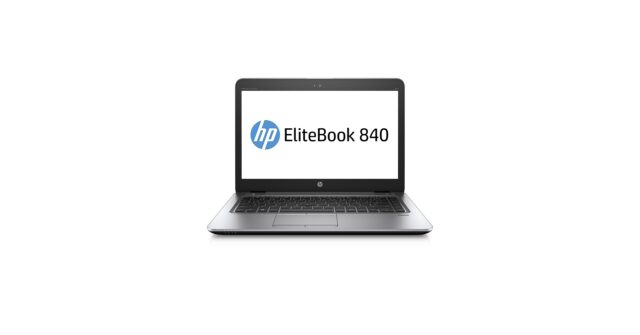
In the Nigerian laptop market, the HP EliteBook 840 G3 is more than just a computer; it’s a symbol of productivity. While the G3 set the standard for the “executive laptop,” the journey through its successors—specifically the G8, G9, and the modern G11—reveals how HP evolved a legend into an AI-ready powerhouse.
Table of Contents
Core Features: Why the G3 Laptop Still Reigns
The HP EliteBook 840 G3 core i5 price in Nigeria remains a top search because the laptop hit a rare “perfect balance.” It combined a slim, professional magnesium chassis with an array of ports—VGA, DisplayPort, and Ethernet—that modern laptops have largely abandoned. It was built for the Nigerian business reality: rugged enough for travel, stylish enough for the boardroom, and easily upgradeable.
The Evolution: From G3 to the AI-Powered Future
The transition from the G3 wasn’t just about faster chips; it was about reimagining the workspace.
The G8 Milestone: The Pinnacle of Refinement
The HP EliteBook 840 G8 was the last of the “classic” 16:9 ratio business laptops. It brought 11th Gen Intel Iris Xe graphics and massive improvements in thermal management. For many Nigerian professionals, the G8 represented the perfect bridge—keeping the familiar look but adding “Sure View” privacy screens and significantly better battery life.
With the HP EliteBook 840 G9, HP made a drastic change. They moved to a 16:10 aspect ratio display, giving users more vertical room for spreadsheets and documents. This model also introduced the 5MP camera, a direct response to the hybrid work culture, ensuring crystal-clear video calls for Nigerian execs connecting globally.
The G11 Era: Enter the AI PC
Today, the series has transitioned into the HP EliteBook 840 G11. This isn’t just a laptop; it’s an “AI PC.” Powered by Intel Core Ultra processors, it features a dedicated NPU (Neural Processing Unit) that handles AI tasks like noise cancellation and background blurring without draining the battery.
Feature Comparison: The Legend (G3) vs. The Successors
Feature
EliteBook 840 G3
EliteBook 840 G8
EliteBook 840 G11
Processor
6th Gen Intel
11th Gen Intel
Intel Core Ultra (AI-Ready)
Screen Ratio
16:9 (Standard)
16:9 (Bezel-thin)
16:10 (More vertical space)
Webcam
720p
720p
5MP AI Camera
RAM Type
DDR4
DDR4
DDR5 (Next-Gen Speed)
Price (Refurb/New)
₦180k – ₦250k
₦450k – ₦650k
₦1.8M – ₦2.5M
The Strategic Transition (G8 → G9 → G11)
If you are wondering how we got from the legendary G3 to the G11, the “G8 to G9” leap was the most significant architectural shift.
G8: Focused on connectivity (Wi-Fi 6) and portability.
G9: Focused on collaboration, introducing the taller screen and 5MP camera that defined the post-pandemic era.
G10 (The “Quiet” Bridge): Mostly an internal spec bump from G9.
G11: The “Discontinuation” of the standard 840 in favor of the 14-inch EliteBook 1040 or Dragonfly as flagship alternatives, though the 840 nameplate lives on in the “AI-First” G11 series.
Enhancements and Price Value of EliteBook 840 G3
While the HP EliteBook 840 G3 Core i7 specs are still decent for basic office work, the G11 offers a 2.5x increase in performance and double the battery life. For a Nigerian business owner, the G11 is an investment in time; for a student or small startup, a UK-used G8 or G9 offers the best “bang for your buck” in 2026.
Are you looking for the best HP EliteBook price in Nigeria or need help choosing between a G8 and a G11? Shop the full range on Kara.com.ng for authentic laptops and reliable service.
Remote work in Nigeria has transitioned from a “temporary fix” to a permanent lifestyle. However, our environment presents unique challenges that remote workers in the West rarely face: inconsistent power supply, high ambient temperatures, and the need for high-performance mobility. Choosing the right laptop isn’t just about the processor anymore; it’s about building a “survival kit” for productivity.
Top 5 Categories of Remote Workers in Nigeria
While every job is different, most remote roles in Nigeria fall into five distinct technical clusters. What binds these categories together is the need for reliability—the laptop must work when the light goes out.
1. The Administrative & Virtual Assistant (VA)
Roles: Data entry, scheduling, customer support, and basic content management.
Requirements: These users prioritize multitasking across many browser tabs (Chrome is a RAM hog) and stable video conferencing.
Requirements: Premium build quality (for “clout” during physical meetings), top-tier security features, and incredible battery life for long flights or transit.
Optimal Specs:HP EliteBook 840 G11 or Dell Latitude, 16GB RAM, 512GB SSD, IR Camera for FaceID.
The “Nigerian Factor”: Power and Battery Life
In Nigeria, “Battery Life” is the most important spec.
Standard Expectation: Look for laptops rated for at least 8–10 hours of “real-world” use. Be wary of manufacturer claims; always check independent reviews.
Laptop Power Banks: For those using mid-range laptops (Type-C charging is essential here!), a 65W or 100W Laptop Power Bank is a lifesaver. It can extend your work time by an additional 4–6 hours, enough to outlast most load-shading cycles.
The Inverter Solution: If you are a “Heavy User” (Creative or Dev) in a larger home, a laptop power bank won’t suffice. You require a pure sine wave inverter (minimum 1.5kVA) paired with Lithium (LiFePO4) batteries. This ensures your high-wattage workstation doesn’t shut down during a power flip.
Heat Dissipation and Cooling Concerns
Nigeria is hot. A laptop that performs well in a London office might “thermal throttle” (slow down to protect itself from melting) in a room in Lagos without 24/7 AC.
Aluminum vs. Plastic: Aluminum chassis (like the EliteBook or MacBook) act as a heat sink, helping dissipate heat faster than plastic.
Cooling Pads: If you are a gamer or video editor, a cooling pad isn’t an “extra”—it’s a necessity. It can drop internal temperatures by $5–10^\circ C$, preserving the lifespan of your motherboard.
Maintenance: Ensure you blow out dust from the vents every 3 months. Dust combined with Nigerian humidity creates a “paste” that kills fans.
Cost-Effective Performance: The “UK-Used” Strategy
Let’s be candid: the price of brand-new flagship laptops in 2026 can be daunting. For many remote workers, a “UK-Used” or Refurbished EliteBook 840 G8 or G9 provides 90% of the performance of a new G11 at 40% of the cost. This allows you to reallocate your budget toward a better Internet ISP or a backup power solution.
Conclusion: Making the Right Choice
Your laptop is your office. If you are a VA, don’t overspend on a 32GB RAM workstation; put that money into a great noise-canceling headset. If you are a Developer, don’t skimp on RAM to buy a “pretty” laptop.
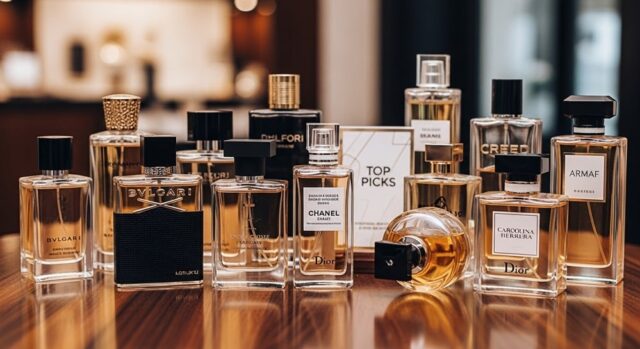
In the world of Nigerian business and social life, how you smell often speaks before you do. A well-chosen fragrance isn’t just a grooming habit; it’s a silent introduction. To celebrate the art of scent, we’ve curated 35 amazing fragrance quotes, categorized by the personality of each fragrance family, specifically for the Nigerian man.
Why do we obsess over fragrance quotes? In Nigeria, branding is everything. A powerful quote does three things for your business or personal brand:
Emotional Connection: Fragrance is invisible. Quotes provide the words to describe the feeling a scent evokes—whether it’s the confidence of a CEO in Lagos or the ruggedness of a traveler in Jos.
Marketing Power: For resellers and business owners, these quotes serve as perfect captions for Instagram and WhatsApp status updates, turning a simple product photo into an aspirational lifestyle.
Defining Identity: Quotes help men identify which “family” they belong to. They simplify the complex science of top and base notes into a relatable vibe.
35 Amazing Fragrance Quotes for the Nigerian Man
The Amberry (Oriental) Family: Mysterious & Seductive
Nigeria’s fragrance market is a vibrant blend of traditional oils, high-end designer labels, and thriving direct-selling brands. Whether you are a connoisseur or a reseller, understanding the nuances of scent and the local supply chain is key to mastering the “scent game.”
Table of Contents
Classification and Understanding Notes
The Fragrance Pyramid
Every fragrance is built on a “pyramid” of notes that evaporate at different speeds:
Top Notes: The initial “burst” you smell (Citrus, Berries). These last 5–15 minutes.
Base Notes: The foundation (Oud, Musk, Vanilla, Sandalwood). These linger for 6+ hours and provide the scent’s longevity.
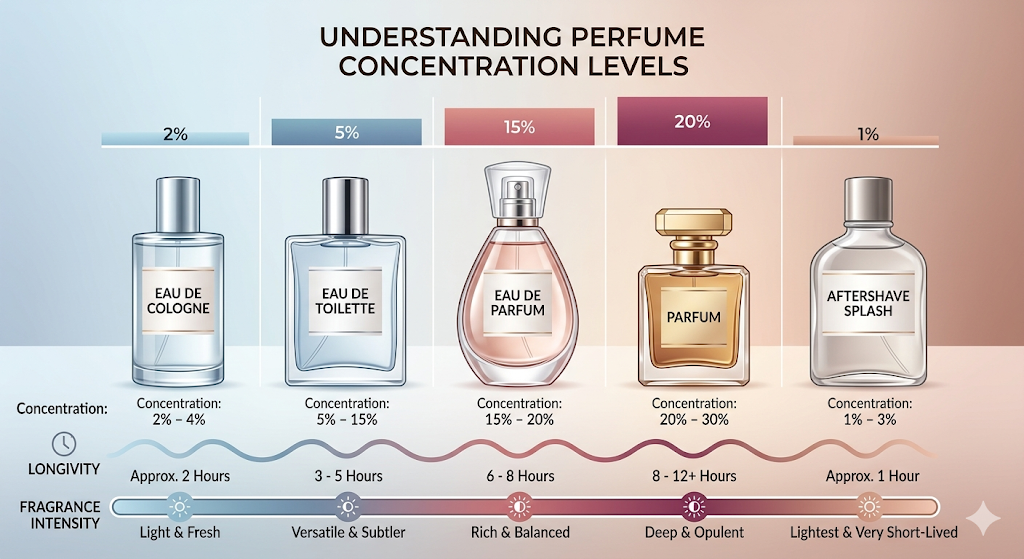
Concentration Levels
Type
Concentration
Longevity
Parfum
20% – 30%
8 – 12+ Hours
Eau de Parfum (EDP)
15% – 20%
6 – 8 Hours
Eau de Toilette (EDT)
5% – 15%
3 – 5 Hours
Eau de Cologne
2% – 4%
2 Hours
The Logistics Challenge: Moving Fragrances Across Nigeria
Delivering fragrances in Nigeria presents unique hurdles. Because perfumes contain alcohol, they are classified as “flammable liquids,” which complicates air freight.
Heat Sensitivity: Prolonged exposure to heat in delivery vans can degrade the chemical composition of a scent.
Fragility: Glass bottles require specialized “bubble-wrap” packaging and shock-resistant handling.
Last-Mile Access: Reaching customers in smaller cities requires a deep understanding of local geography.
The Oriflame Logistics Model
Oriflame has mastered the art of fragrance distribution in Nigeria. They utilize a hybrid network:
Courier Partnerships: Collaboration with top-tier firms for home deliveries. Deliveries may take 5 to 10 working days, and you can track your delivery on the website and in the app.
SPO (Service Point Owners): A vast network of independent pickup points across most Nigerian cities, allowing customers to collect orders at their convenience, reducing the cost of the “last mile.”
Opportunities for Resellers of Fragrances: Discounts and Promos
The fragrance business is one of the most profitable sectors for resellers in Nigeria.
Monthly Promos: Look out for “Buy 2 Get 1 Free” deals or “Fragrance of the Month” discounts.
Welcome Programs: New consultants often get luxury scents at a fraction of the cost as part of their starter kits.
Expert FAQ: Fragrance in the Nigerian Climate
How to choose a perfume that suits the Nigerian climate?
In high heat and humidity, scents project more aggressively. Opt for Fresh, Aquatic, or Citrus scents for daytime use. Save heavy, cloying scents like thick Vanilla or heavy Spices for evening events or air-conditioned environments.
Best long-lasting perfumes for tropical climates?
Look for scents with strong base notes like Vetiver, Ambroxan, or Oud. These molecules are heavier and resist evaporating too quickly in the Nigerian sun.
Best places to buy perfume collections online in Nigeria?
Kara.com.ng: For a wide range of authentic fragrances and grooming products.
Oriflame Nigeria: For high-quality, European-standard fragrances with a direct-to-consumer model.
Official Brand Stores: Always check for authorized retailers to avoid fakes.
Where to find authentic designer perfumes online?
Stick to reputable platforms that offer money-back guarantees and have physical offices or verified pickup points. Avoid social media sellers who offer “original testers” at impossibly low prices (e.g., a Chanel for ₦15,000 is likely a counterfeit).
Affordable luxury fragrance options?
Brands like Lattafa, Maison Alhambra, and Oriflame offer “luxury-smelling” scents at a fraction of the price of Dior or Tom Ford. These are often referred to as “inspired-by” or high-quality alternative fragrances.
Tips for choosing a signature scent?
Test on Skin: Never just spray on paper; your skin chemistry alters the scent.
Live with it: Wear a sample for 4 hours to see how the base notes settle.
Consider your vibe: Are you a “Power Suit” person (Woody/Spicy) or a “Casual Weekend” person (Citrus/Aquatic)?
Final Note for Intending Resellers of Fragrances:
Fragrance is an emotional purchase. People don’t just buy a smell; they buy how the scent makes them feel. If you can master the art of storytelling around perfume notes, your reselling business will flourish.
Starting a men’s perfume business in Nigeria is one of the most lucrative ventures in the “smell good” industry today. Nigerian men are increasingly prioritizing grooming and personal branding, creating a massive market for both local manufacturers and retailers.
Whether you are looking to become an Oriflame reseller or launch your own private label, this guide covers everything from the science of attraction to the technical notes that define a world-class fragrance.
Table of Contents
Understanding Scent and Fragrance
At its core, scent is the raw, unrefined smell—it can be natural or environmental. Fragrance, however, is the artistic combination of scents designed to evoke an emotion or memory. In the Nigerian context, where the climate is hot and humid, a fragrance isn’t just a luxury; it’s a functional tool for confidence and hygiene.
How Fragrance Builds Attraction
Science shows that the human sense of smell is directly linked to the limbic system, the part of the brain that handles emotions and attraction.
The Pheromone Effect: Certain notes like Musk and Amber mimic human pheromones, creating a “skin-like” warmth that draws others in.
The Halo Effect: Men who wear sophisticated fragrances are often perceived as more successful, trustworthy, and socially skilled.
The Signature Scent: A man who wears a consistent, high-quality fragrance becomes more memorable, as the brain links that specific scent to his personality.
Qualities of Fragrance by Source or Origin
The quality of a perfume is often determined by where its ingredients come from:
Natural Origins: Derived from plants, flowers (Jasmine, Rose), resins, and woods. These are often more “complex” but can vary in scent between harvests.
Synthetic Origins: Created in laboratories. Synthetics are the backbone of modern perfumery because they are more stable and long-lasting, essential for the Nigerian heat. They also allow for “fantasy” scents that don’t exist in nature, like the smell of “sea breeze” or “metallic silver.”
The Masterclass on Fragrance Families
To sell perfume effectively, you must understand the Fragrance Wheel. Here are the primary families you’ll find in men’s collections:
The Masterclass: Oriflame Fragrance Families for Men
To succeed in the fragrance business, you must speak the language of “Scent Families.” Oriflame’s world-class portfolio offers specific brands for every personality type, categorized by these distinct families:
1. Amberry (The Sensualist)
Warm, exotic, and spicy. These are the “power” scents for evening wear.
Vibe: For the man who values elegance, soft power, and attention to detail.
6. Fruity (The Approachable Creative)
Modern, vibrant scents that use notes like Pineapple, Apple, or Agave.
Men’s Collection Agave Power and Be the Wild Legend.
Vibe: Youthful, energetic, and perfect for social gatherings or outdoor events.
7. Woody (The Grounded Leader)
The foundation of masculinity is built on Cedar, Sandalwood, or the highly sought-after Oud.
Giordani Gold Essenza Man Elixir and Mister Giordani.
Vibe: Powerful, stable, and commanding. A Woody base is the most popular choice for Nigerian men.
Reseller Tip: When advising your customers, always suggest Amberry or Woody scents (like Ascendant or Giordani Gold) for those who complain that perfumes “don’t last” on them. These families have the heaviest molecules and perform exceptionally well in the tropical climate!
Reviewing Perfume Fragrance Notes
Every fragrance is a symphony played in three parts:
Top Notes (The Introduction): What you smell immediately (Citrus, Herbs). Lasts 15 minutes.
Heart Notes (The Soul): The main character of the perfume (Florals, Spices). Lasts 2–4 hours.
Base Notes (The Foundation): The heavy hitters (Wood, Musk, Amber). These can last 8–12+ hours on the skin.
Business Tip for New Entrepreneurs
In Nigeria, customers prioritize “Long-Lasting” over everything else. When starting your business, focus on Eau de Parfum (EDP) or Parfum concentrations, as these have higher oil content and survive the sweat and dust of the Nigerian environment better than lighter Colognes.
For a businessman in the Nigerian fragrance market, offering Eau de Toilette (EDT) requires a strategic approach. While Eau de Parfum (EDP) is often touted as “superior” due to its concentration, the EDT category holds a massive, often untapped market share if positioned correctly.
Here is an analysis of the pros and cons, along with professional advice on how to sell them effectively.
The “Pros” of Offering Eau de Toilette
Lower Price Point, Higher Volume:
EDTs are more affordable to produce and purchase. In a price-sensitive market like Nigeria, having a “budget-friendly” option allows you to capture the mass market—students, entry-level professionals, and casual shoppers who aren’t ready to drop ₦80,000+ on a single bottle.
Ideal for the Tropical Climate:
Heavy EDPs can become “cloying” or suffocating in the high heat of Lagos or Kano. EDTs are lighter and more volatile, providing a refreshing burst of scent that feels “clean” rather than “heavy.”
Encourages Re-purchase and Usage:
Because EDTs last about 3–5 hours, customers tend to spray more frequently throughout the day. This leads to faster “bottle turnover,” meaning your customers will return to buy a new bottle sooner than an EDP user might.
Superior “Sillage” (Scent Trail):
Interestingly, because EDTs have more alcohol and fewer heavy oils, the scent molecules often travel further in the air initially. This makes them excellent for making an immediate “first impression” when walking into a room.
The “Cons” of Offering Eau de Toilette
The “Longevity” Complaint:
The biggest challenge in Nigeria is the perception that “if it doesn’t last 24 hours, it’s fake.” EDTs naturally fade faster, especially when exposed to sweat and wind. This can lead to customer dissatisfaction if expectations aren’t managed.
Lower Profit Margins per Unit:
While you sell more volume, the profit margin per EDT bottle is usually lower than that of a luxury EDP or Parfum. You must move more units to reach the same revenue targets.
Perception of “Lower Quality”:
Some customers equate concentration with quality. They may view your EDT offerings as “watered down” versions of the “real thing,” even if the scent profile is identical.
Strategic Advice for Fragrance and Scent Business Owners
1. Education is Your Best Sales Tool
Don’t just sell the bottle; sell the use case. Teach your customers that an EDT is a “Day/Office Scent.”
Sales Pitch: “Use this Oriflame Glacier EDT for your morning meetings and gym sessions to stay fresh without overpowering the room. Keep the EDP for your evening dinner dates.”
2. Bundle with “Moisture Barriers”
To solve the longevity “Con,” sell the EDT alongside a neutral body lotion or petroleum jelly.
Advice: Tell customers to apply unscented lotion to their pulse points before spraying the EDT. This gives the fragrance oils something to “grip” onto, extending the life of an EDT by 2–3 hours.
3. Target the “Casual” and “Sport” Segments
Focus your EDT marketing on the “Active Man.” Use keywords like Fresh, Citrus, Aquatic, and Energetic. In Nigeria, the demand for “freshness” is constant. Positioning an EDT as a “Freshness Tool” rather than a “Luxury Status Symbol” aligns better with the product’s chemistry.
4. Inventory Balance
Never stock only EDTs. Use the “Good, Better, Best” strategy:
Good: Affordable EDT (High volume, attract new customers).
Better: Mid-range EDP (Your core profit driver).
Best: Luxury Parfum or Oud (Builds your brand authority).
5. Sample Generously
Since EDTs are cheaper, your “cost per spray” for sampling is lower. Use EDTs as “testers” to get people into your shop or onto your WhatsApp business line. Once they fall in love with the scent, you can upsell them to the longer-lasting version.
Final Verdict: Offering Eau de Toilette is essential for a balanced business. It acts as your “entry-product” that brings customers into your ecosystem. As long as you are honest about the 3–5 hour longevity and highlight the “freshness” factor, it will remain a consistent revenue generator.
Ready to start your journey? Whether you are buying wholesale designer perfumes or joining a network like Oriflame, understanding these notes is your first step toward building a loyal customer base.
When selecting a skincare regimen in 2026, the choice often boils down to two distinct philosophies: the trend-forward, high-performance innovation of South Korea’s Tirtir versus the science-backed, nature-inspired legacy of Sweden’s Oriflame. Both brands have secured massive global footprints, but they serve fundamentally different skin goals.
This comparison explores their philosophies, ingredients, and effectiveness to help you decide which brand deserves a place on your vanity. This article does not intend to introduce a competitive comparison, rather just an exploration of available choices
1. Brand Philosophy: K-Beauty Trends vs. Swedish Science
Tirtir is a cornerstone of the modern K-Beauty movement. Its philosophy, “Restore skin’s natural healthy glow,” focuses on the “glass skin” aesthetic—achieving a complexion so hydrated it appears translucent. Tirtir is highly adaptive, frequently using AI and consumer feedback to refine its formulas.
In contrast, Oriflame operates on a traditional European pharmaceutical model blended with Swedish naturalism. Their “Performing, Safe, and Responsible” pillars emphasize long-term skin health. While Tirtir chases the latest dewy trends, Oriflame focuses on clinically proven anti-aging and barrier-repair results that cater to a broad, multi-generational audience.
2. Ingredient Innovation: Ferments vs. Botanicals
The ingredient decks of these two brands reveal their regional roots:
Tirtir: Heavily utilizes rice bran extracts, niacinamide, and polyglutamic acid (which holds ten times more moisture than hyaluronic acid). Their products, like the viral Milk Skin Toner, rely on fermented ingredients to soothe and brighten.
3. Hero Product Comparison: Hydration vs. Correction
Tirtir’s most celebrated skincare product is undoubtedly the Milk Skin Toner. It is a thick, opaque liquid that acts as a cross between a toner and an ampoule, designed to repair the moisture barrier instantly. It has become a 2026 staple for those with dehydrated or “thirsty” skin.
Oriflame’s heavyweight is the Novage+ Targeted Serums. Unlike the all-in-one hydration focus of Tirtir, Oriflame’s serums are highly specific—targeting deep wrinkles, sagging, or hyperpigmentation with clinical precision. If Tirtir is about the finish and immediate glow, Oriflame is about the fix and long-term structural improvement.
4. Texture and Sensory Experience
Tirtir products are known for their “cushiony” textures. Many users describe their serums and creams as feeling like a “silky hug” on the skin. However, some reviews note that Tirtir’s high hydration levels can feel slightly “tacky” or sticky for those with oily skin types in humid climates like Lagos.
Oriflame offers a more varied sensory range. Their Optimals line is lightweight and fast-absorbing, whereas the Royal Velvet and Novage+ creams are rich and luxurious. Oriflame generally adheres to stricter European fragrance standards, often resulting in a lighter, cleaner scent profile compared to the sometimes “milky” or floral scents found in Tirtir.
5. Accessibility and Global Reach
Oriflame has a logistical advantage in many regions, including Nigeria, due to its Brand Partner (direct-selling) model. You can often find an Oriflame representative or local office easily, ensuring fresh stock and personalized consultations.
Tirtir, while globally famous via social media, often relies on e-commerce platforms like Kara, Amazon, or specialized K-Beauty retailers. While highly accessible online, the “try before you buy” experience is more limited with Tirtir unless you are in a major retail hub.
Tirtir sits firmly in the “mid-range” category. A single bottle of Milk Skin Toner typically costs between ₦25,000 and ₦35,000. While Tirtir may seem more expensive per item than Oriflame’s entry-level lines, its products are often multi-functional, potentially replacing two or three steps in a traditional routine.
7. Sustainability and Ethical Standards
Both brands have made significant strides by 2026, but their focus differs:
Oriflame: A leader in sustainability, Oriflame’s products are often biodegradable (for rinse-off items), and they use 100% renewable electricity in their manufacturing. Their “Eco-Beauty” roots mean they avoid over 1,300 ingredients banned by the EU.
Tirtir: Focuses on vegan-certified formulas and eco-friendly packaging. They have successfully moved toward “cleaner” formulations that exclude parabens and mineral oils, appealing to the eco-conscious Gen Z and Millennial demographic.
Final Verdict: Which Should You Choose?
Choose Tirtir if: You want the “glass skin” look, struggle with chronic dehydration, or prefer a simplified, “milky” routine that prioritizes a radiant glow.
Choose Oriflame if: You have specific skin concerns like deep wrinkles or loss of elasticity, prefer science-backed European standards, or want a customized routine from a brand with a strong local presence.
Wireless charging on the iPhone has transitioned from a niche “tech flex” to a cornerstone of the Apple ecosystem. By April 2026, with the release of the iPhone 17 series, the debate has shifted: Is wireless charging a luxury accessory or a mandatory part of the modern mobile experience?
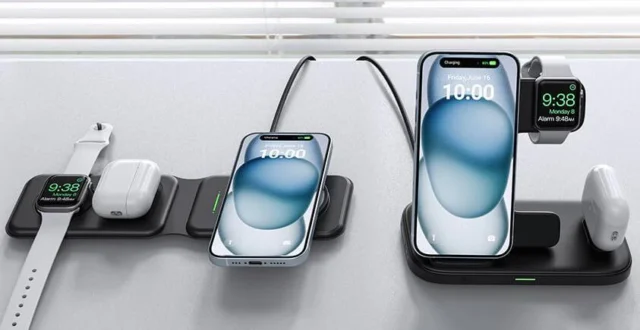
Here is a comprehensive guide by Kara in Nigeria to the evolution, mechanics, and reality of charging your iPhone without the wires.
Table of Contents
The Origin: From iPhone 8 to the Qi Standard Wireless Charging
Apple officially entered the wireless arena in September 2017. The iPhone 8, 8 Plus, and iPhone X were the first models to feature glass backs specifically to support the Qi (pronounced “chee”) wireless charging standard.
Initially, these models were capped at a modest 5W, later updated via software to 7.5W. At this stage, wireless charging was purely a luxury—it was significantly slower than the 18W wired “Fast Charging” available at the time and required perfect alignment on a charging pad to work.
The MagSafe Revolution from iPhone 12 – 15
In 2020, Apple solved the “alignment problem” with MagSafe. By placing a ring of magnets around the internal charging coil of the iPhone 12, Apple ensured that the charger would “snap” into the perfect position every time.
MagSafe doubled the wireless speed to 15W (for certified accessories). This era turned wireless charging from a “nightstand-only” activity into a functional desktop and car solution.
The Evolution: iPhone 16 and the iPhone 17 Series
The iPhone 16 raised the bar to 25W, but the iPhone 17 series (2026) has solidified wireless charging as a near-equal to wired methods.
Wired vs. Wireless: While the iPhone 17 Pro supports 40W wired charging, the 25W wireless speed is now fast enough that most users no longer feel the “speed penalty” of going cordless.
Impact of Cases on Power and Temperature
Your choice of case is the biggest “silent killer” of wireless charging efficiency.
MagSafe Compliant Cases: These include an internal magnet ring to pass the magnetic field through the case material. Without this, a thick case can increase the distance between the coils, leading to power drop-off or total failure.
Heat & Efficiency: Wireless charging naturally generates more heat than wired charging because energy is lost as it jumps through the air. A thick, non-ventilated case traps heat, causing the iPhone to “thermal throttle” and reduce charging speed to protect the battery.
The 3mm Rule: For optimal 25W speeds on the iPhone 17, your case should be under 3mm thick.
Does Wireless Charging Damage Battery Life?
This is the most common concern among iPhone users. The short answer is No, but there is a caveat: Heat.
Cycles vs. Heat: Batteries degrade based on “cycles” (0% to 100%) and high temperatures. Wireless charging doesn’t use more “cycles,” but it does run roughly 5°C to 8°C hotter than wired charging.
Apple’s Safeguards: Modern iPhones use AI to manage charging. If the phone gets too hot on a MagSafe pad, iOS will pause charging at 80% until it cools down.
Recommendation: For the best long-term battery health, avoid using “heavy” apps (like gaming) while the phone is on a wireless charger.
Wireless vs. Wired iPhone Charging: The Pros and Cons
Feature
Wired (40W)
Wireless (25W / Qi2)
Speed (0-50%)
~20 Minutes
~30 Minutes
Heat
Low to Moderate
High
Port Safety
Risk of dust/wear
Zero wear on port
Convenience
Restricted by cable
Grab-and-go
Data Transfer
Yes (High speed)
No
Luxury or Necessity? The 2026 Verdict
In 2026, wireless charging is a Necessity for two reasons:
Ecosystem Integration: From MagSafe car mounts to “StandBy” desk docks, the iPhone is now designed to be a “glanceable” device while it charges.
Hardware Longevity: With the transition to USB-C, the physical charging port is a common failure point. Using a Qi2 or MagSafe charger for daily top-ups preserves your physical port for the times you truly need it (like ultra-fast 40W emergency boosts).
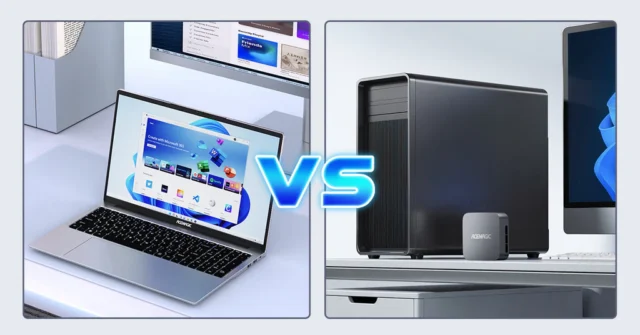
In the modern corporate landscape of 2026, the debate between mobility and stability has never been more relevant for Human Resources professionals. While laptops have long been the “default” for many, there is a compelling, data-driven case for the HR manager to return to the dedicated desktop workstation.
This guide explores why choosing a desktop over a laptop can be a strategic decision for HR departments focusing on high-output productivity, ironclad security, and long-term financial value.
Table of Contents
Aligning Work Productivity: The Desktop Advantage
HR managers are the “engine room” of any organization. On a typical Tuesday, an HR manager might be switching between massive employee payroll spreadsheets, a video conference with a potential hire, and a confidential internal investigation report.
Multi-Tasking Power
Desktop computers generally house full-voltage processors compared to the power-efficient, throttled chips found in slim laptops. This translates to smoother performance when running multiple high-demand applications. A desktop ensures that your recruitment software doesn’t stutter while you have 40 Chrome tabs open for candidate sourcing.
Desktop Screen Real Estate
Productivity is often limited by what you can see. While a laptop caps you at 14 or 16 inches, a desktop setup lets you use dual 27-inch monitors. For HR, this means having the “Employee Handbook” open on one screen while drafting an offer letter on the other—eliminating the “Alt-Tab” fatigue that slows down manual data entry.
For an HR Manager, communication isn’t just a side task—it’s the core of the job. In 2026, the shift in how apps like Microsoft Teams and WhatsApp are built has created a surprising performance gap between Desktop PCs and Laptops.
Here is an addendum on why the Desktop environment provides a superior “Command Center” for corporate communication.
Native App Performance: The WebView2 “Tax”
In 2026, most communication apps (WhatsApp, Discord, and the latest Teams) have moved to WebView2 or Electron frameworks. Essentially, these are “Websites disguised as Apps.”
The Resource Hog: These apps are notorious for high RAM consumption. On a 16GB RAM laptop, having Teams, WhatsApp Desktop, and 20 Chrome tabs open can cause “System Stutter.”
The Desktop Advantage: Because a Desktop PC typically has higher RAM ceilings (up to 64GB or 128GB) and better thermal management, it can absorb this “Web-App Tax” without slowing down your other work. On a laptop, these apps often trigger the cooling fans to spin at maximum speed, creating distracting background noise during calls.
Video Conferencing: Stability vs. Convenience
While a laptop has a built-in camera, the Video Conferencing Experience on a desktop is professional-grade by default.
Thermal Throttling: Laptops often get hot during 1-hour video calls. To prevent overheating, the laptop’s CPU may “throttle” itself, leading to your video freezing or your voice becoming “robotic” to other participants. Desktops do not have this issue.
Peripheral Superiority: A desktop allows you to use a Dedicated 4K Webcam and an External Microphone. For an HR Manager conducting a disciplinary hearing or a high-level interview, the clarity of your video and audio establishes authority and professionalism that a grainy 720p laptop camera cannot match.
WhatsApp Desktop vs. WhatsApp Web
Many HR professionals in Nigeria use WhatsApp for quick coordination.
WhatsApp Desktop (App): As of 2026, the Windows Desktop App is the only version that supports Voice and Video Calling. If you need to jump on a quick call with a field agent, the app is mandatory.
WhatsApp Web (Browser): While lighter on system resources, the Web version is prone to “Browser Lag” if you have too many tabs open. On a desktop PC, you can keep the standalone app pinned to your second monitor, ensuring you never miss a message while working on a different screen.
Screen Sharing & Multitasking
HR Managers often need to Share Screen to show payroll structures or policy documents.
The “Lag” Factor: Screen sharing is one of the most CPU-intensive tasks. On a laptop, sharing a high-resolution window can cause the entire system to lag.
Multi-Monitor Freedom: On a Desktop with dual monitors, you can share Monitor 1 (the document) while keeping Monitor 2 (the Teams chat and your private notes) completely hidden from the audience. Doing this on a single laptop screen is a “privacy tightrope” walk that often leads to accidental data exposure.
HR Pro-Tip: If you are buying a desktop for your HR team, ensure it has at least 16GB of RAM (though 32GB is the 2026 sweet spot) to handle the heavy resource demands of modern communication suites.
“Flexibility” in HR isn’t just about working from a coffee shop; it’s about hardware adaptability.
Laptops are rigid. If you need more RAM to handle a new AI-driven HR analytics tool, you often have to buy a whole new laptop. A desktop offers modular flexibility. You can easily upgrade the memory, storage, or even the graphics card without discarding the entire unit. For an HR manager, this means your computer grows with your responsibilities rather than becoming obsolete.
Security: Protecting the Company’s Most Sensitive Data
As an HR manager, you handle the “crown jewels” of corporate data: salaries, home addresses, social security numbers, and health records.
Physical Security of using the Desktop Computer
Laptops are prone to theft and loss. A laptop left in a car or a busy airport is a potential GDPR or data breach nightmare. A desktop, securely bolted or locked in a monitored office, significantly reduces the physical “surface area” of a data breach.
Network Integrity
Desktops are typically connected via hardwired Ethernet, which is inherently more secure and stable than Wi-Fi. In 2026, where sophisticated “man-in-the-middle” Wi-Fi attacks are common, the “fixed” nature of a desktop provides a controlled security perimeter that is easier for IT departments to defend.
Power Requirements and Thermal Management
Laptops are a constant battle against heat. To keep a laptop from melting, the system “throttles” (slows down) the CPU. Desktops have massive cooling fans and heat sinks, allowing the computer to run at 100% capacity all day without slowing down.
For HR managers who perform “Batch Processing”—such as running monthly payroll for 500+ employees—the desktop’s ability to maintain high speeds over long periods is a significant time-saver.
Price Value Comparison: Getting More for Less
When comparing a Business Desktop to a Business Laptop of equal price, the desktop invariably wins on raw specs.
Feature
Business Desktop (Approx. ₦450k)
Business Laptop (Approx. ₦450k)
Processor
Intel Core i7 (Full Power)
Intel Core i7 (Ultra-Low Power)
RAM
32GB (Upgradable)
16GB (Often Soldered)
Storage
1TB NVMe SSD
512GB SSD
Connectivity
10+ USB Ports, Dual HDMI, LAN
2 USB-C Ports, Requires Dongles
By choosing a desktop, an HR department can often outfit two managers for the price of one “executive” laptop, providing better value to the company.
Lifetime Value Ownership (LVO) of A Desktop Computer
The Lifetime Value Ownership of a desktop is roughly 2x to 3x higher than a laptop.
Durability: Laptops suffer from hinge failure, keyboard wear, and battery degradation. A desktop has no moving hinges and no battery to swell.
Repairability: If a desktop monitor fails, you replace the monitor (₦80k). If a laptop screen fails, the repair often costs 50% of the device’s value.
Resale/Repurposing: An HR desktop from 2026 can be repurposed as a front-desk terminal or a file server in 2031. A 5-year-old laptop is usually e-waste.
Managing Power in Nigeria: The Inverter/UPS Factor
In the Nigerian context, the “battery” of a laptop is often seen as its biggest pro. However, for a professional HR setup, a desktop paired with a UPS (Uninterruptible Power Supply) or an Inverter is actually superior.
A laptop battery eventually dies and becomes a fire hazard. A Blue Gate or Mercury UPS provides surge protection that a laptop charger cannot match. By connecting your HR desktop to the office inverter, you get the stability of “NEPA-proof” power without the ergonomic compromises of a small laptop screen.
Ergonomics and Employee Wellness
HR managers are champions of “Occupational Health.” It is hypocritical to work on a cramped laptop that encourages slouching. A desktop setup allows for an Ergonomic Swivel Chair and a monitor at eye level, reducing long-term medical costs related to neck and back strain—costs that the company ultimately pays for.
Recommendations and Internal Links
For the HR Manager who values Security and Speed, we recommend the following setups from Kara.com.ng:
Conclusion: Unless your role requires you to be physically present at a different site every day, the Desktop Computer remains the superior tool for the modern HR professional. It is more secure, more powerful, and offers a significantly better return on investment (ROI).