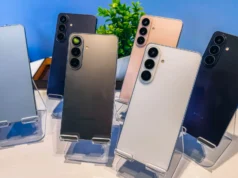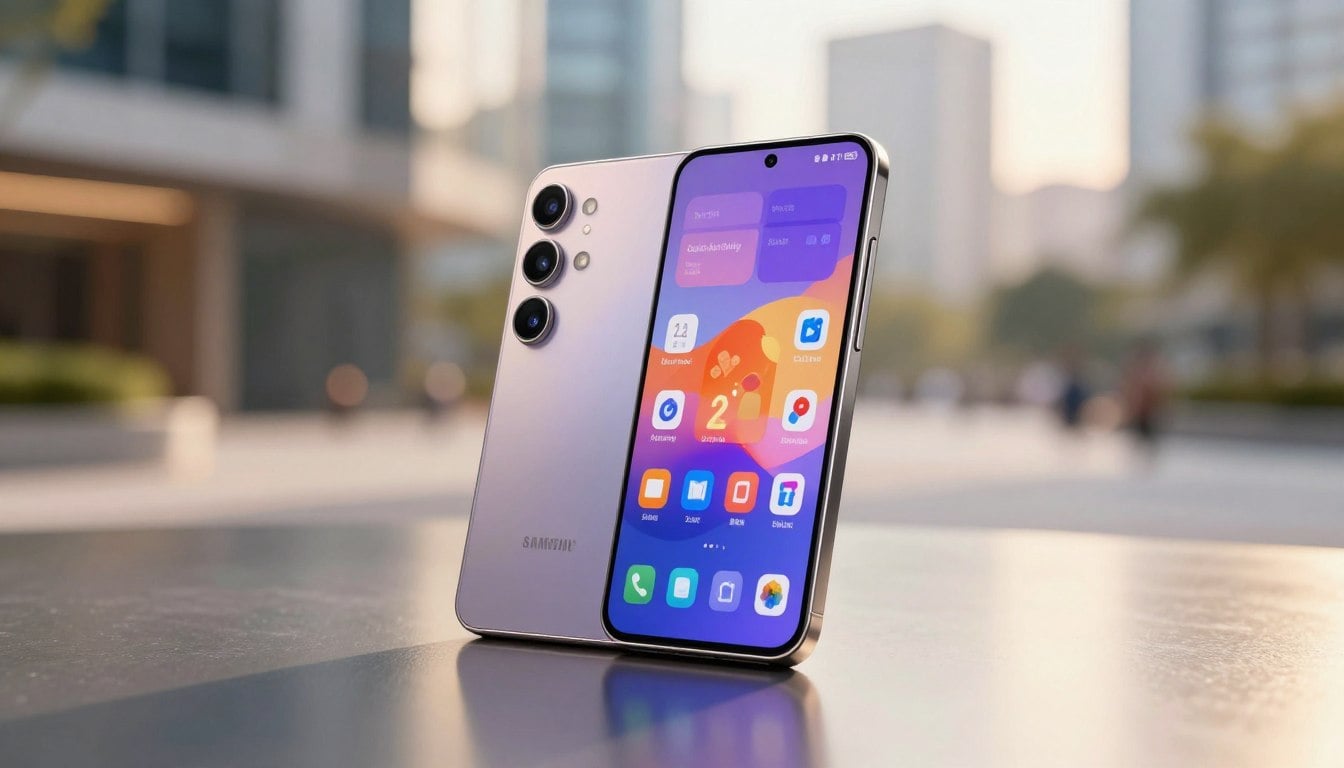
The Samsung Galaxy S26 arrives as Samsung’s compact flagship for 2026, positioned below the Galaxy S26 Plus and the premium Galaxy S26 Ultra. While it keeps the sleek and pocket-friendly design language fans have come to appreciate, Samsung has refined nearly every aspect of the experience — from the brighter LTPO AMOLED display and next-generation processors to smarter AI-powered software features running on One UI 8.5.
The Galaxy S26 combines flagship-level performance with a lightweight form factor, featuring a 6.3-inch Dynamic LTPO AMOLED 2X display, Exynos 2600 chipset, and a premium Gorilla Glass Victus 2 build wrapped in Armor Aluminum 2. With Android 16 out of the box and seven years of software support, Samsung is once again focusing on longevity, performance, and intelligent features that evolve over time.
Table of Contents
Samsung Galaxy S26 Key Specs and Features
- 6.3-inch Dynamic LTPO AMOLED 2X Display, 1080 x 2340 pixels (~411 ppi density), 120Hz Refresh Rate
- HDR10+ Support
- 2600 nits Peak Brightness
- Always-On Display
- Android 16, up to 7 major Android upgrades, One UI 8.5
- Galaxy AI Features
- Circle to Search
- Samsung DeX and DeX Wireless
- Qualcomm Snapdragon 8 Elite Gen 5 (US/CN)
- Exynos 2600 (ROW)
- 12GB RAM
- 128GB Internal Storage
- Adreno 840 GPU (US/CN)
- Xclipse 960 GPU (ROW)
- Under-display Ultrasonic Fingerprint Sensor
- IP68 Dust and Water Resistance
- Gorilla Glass Victus 2 Protection
- 5G Connectivity
- Wi-Fi 7 Support
- USB Type-C Port
Samsung Galaxy S26 Design
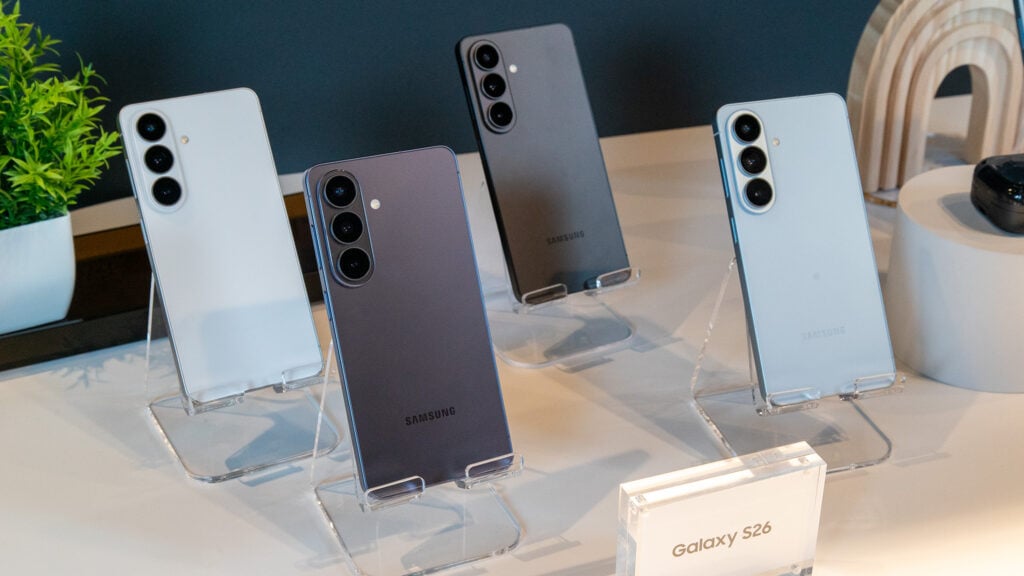
The Samsung Galaxy S26 continues Samsung’s philosophy of blending minimalism with premium craftsmanship. At first glance, the design feels familiar, but subtle refinements make the phone look and feel more polished than its predecessor.
The smartphone measures 149.6 x 71.7 x 7.2 mm and weighs just 167 grams, striking an excellent balance between portability and screen size. Despite featuring a slightly larger 6.3-inch display, the Galaxy S26 remains comfortable to hold for long periods and easy to use with one hand.
Samsung has used premium materials throughout the device. The front and rear panels are protected by Gorilla Glass Victus 2, while the frame is built from Armor Aluminum 2, offering enhanced durability without adding unnecessary weight. The sturdy construction gives the phone a reassuring feel in the hand and improves resistance against accidental drops and scratches.
The flat-edge design and slim bezels contribute to a modern, clean appearance. Around the back, Samsung maintains its signature floating camera layout, keeping the aesthetic simple and elegant rather than overcrowded. The matte glass finish also does a good job resisting fingerprints and smudges, helping the phone maintain a clean appearance throughout the day.
Durability remains one of the Galaxy S26’s strong points. The device carries an IP68 rating for dust and water resistance.
This certification means the phone remains safe even when immersed in up to 1.5 metres of water for 30 minutes. Such durability is essential for users who lead active lifestyles. Whether you’re caught in heavy rain or using the phone around water, the extra protection offers peace of mind.
Overall, the Samsung S26 feels every bit like a premium flagship smartphone, delivering a refined design that prioritizes comfort, durability, and elegance.
Samsung Galaxy S26 Display
Samsung continues to dominate the smartphone display category, and the Galaxy S26 further strengthens that reputation.
The device features a 6.3-inch Dynamic LTPO AMOLED 2X panel. The integration of Dynamic LTPO AMOLED 2X technology ensures that the visual output is both stunning and efficient. This advanced panel supports an adaptive 120Hz refresh rate, which automatically adjusts based on your activity to balance fluid motion with battery longevity.
Whether you are scrolling through social media feeds or playing high-frame-rate games, the display remains incredibly responsive. Furthermore, the inclusion of HDR10+ support enhances contrast and colour depth, making every image appear lifelike and vivid.
One of the most impressive aspects of this display is its peak brightness, which reaches an incredible 2600 nits. This high level of luminance ensures that the screen remains perfectly legible even when you are using the phone under direct, harsh sunlight in outdoor environments.
To protect this high-quality panel, Samsung has utilised Corning Gorilla Glass Victus 2. This glass provides robust resistance against scratches and accidental drops, meeting the Mohs level 5 standard for durability. You can confidently use your device in various conditions without worrying about the integrity of the screen surface.
Samsung also retains HDR10+ support, which significantly enhances streaming content by improving brightness, color accuracy, and contrast. Watching movies or HDR-supported videos feels immersive, with vibrant highlights and rich shadow detail.
Furthermore, Samsung’s Always-On Display feature remains as useful as ever, allowing users to quickly check notifications, time, and widgets without waking the phone fully.
Altogether, the Galaxy S26 delivers one of the best compact flagship displays available, balancing brightness, smoothness, and efficiency beautifully.
Samsung Galaxy S26 Camera
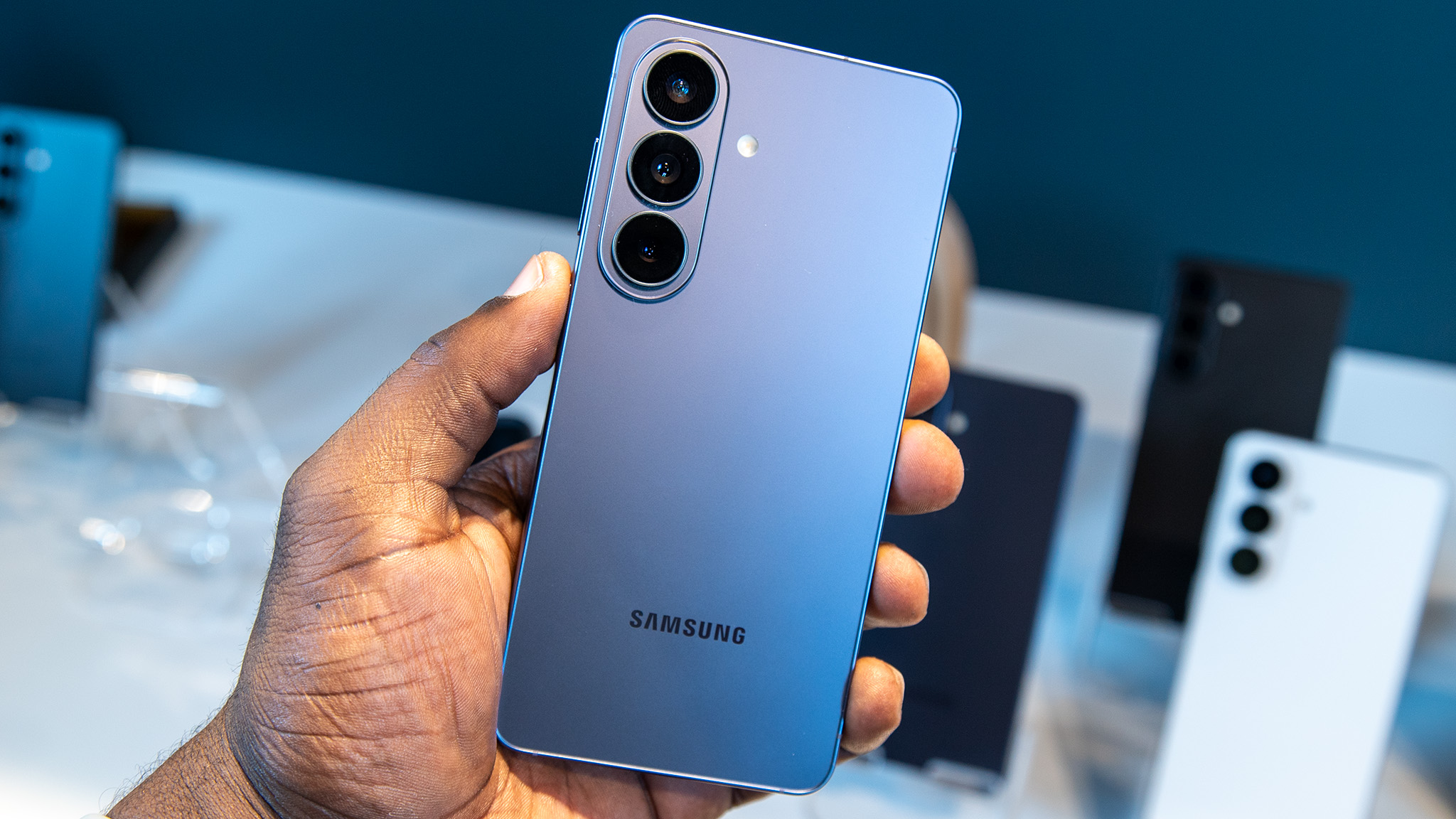
The camera design of the Samsung Galaxy S26 is one of the biggest visual changes Samsung has introduced to its standard Galaxy S-series model in recent years. While the Galaxy S25 featured Samsung’s floating individual camera rings, the Galaxy S26 adopts a more unified and structured camera island design similar to the recent Galaxy Z Fold lineup.
Samsung appears to be moving toward a cleaner and more modern rear layout, giving the Galaxy S26 a slightly more professional and premium appearance. Instead of each lens sitting independently on the back panel, the cameras are now integrated into a vertically aligned pill-shaped camera module with circular cutouts for each sensor. This redesign creates a more cohesive look and also improves the phone’s visual symmetry.
While the hardware specifications may appear familiar on paper, Samsung has refined the image processing, stabilization, and AI-enhanced photography features to produce better overall results across different lighting conditions.
This Samsung phone features a triple rear-camera setup consisting of a 50 MP primary sensor, a 10 MP telephoto lens, and a 12 MP ultra-wide camera. Together, these sensors provide flexibility for everything from everyday photography to portraits, landscapes, and high-resolution video recording.
The 50 MP main camera uses a wide 24mm lens with an f/1.8 aperture and a relatively large 1/1.56-inch sensor. Combined with dual-pixel PDAF and Optical Image Stabilization (OIS), the primary camera captures detailed and vibrant images with excellent dynamic range. Photos appear sharp with natural color reproduction, and Samsung’s image processing continues to deliver bright, social-media-ready shots without looking overly artificial.
Meanwhile, the 10 MP telephoto camera features a 67mm focal length with 3x optical zoom, allowing users to capture distant subjects without significant quality loss. Thanks to PDAF and OIS support, zoom shots remain stable and detailed, particularly in good lighting conditions. Portrait photography also benefits from this telephoto sensor, producing more natural background blur and better subject separation.
The third lens, Samsung’s 12 MP ultra-wide camera, delivers a broad 120-degree field of view, making it ideal for landscape photography, architecture shots, and group photos. The larger 1.4µm pixel size helps improve low-light performance compared to older ultra-wide sensors, while Super Steady video support adds smoother stabilization during handheld recording.
One of the standout additions this year is Samsung’s improved computational photography system. Features like Best Face intelligently combine multiple frames to ensure everyone looks their best in group photos, while Horizon Lock helps stabilize video footage and maintain level framing during movement.
On the front, the Galaxy S26 features a 12 MP selfie camera with dual-pixel PDAF, ensuring fast focus and sharp selfies. Skin tones appear natural, and HDR support helps maintain balanced exposure even in difficult lighting situations. The front camera also supports 4K video recording at 60fps, making it an excellent option for vloggers, video calls, and content creators. The phone supports recording up to 8K at 24 or 30fps, alongside 4K recording at 60fps and ultra-smooth 1080p recording up to 240fps for the front and rear camera.
The triple-camera arrangement remains vertically stacked, preserving Samsung’s familiar flagship identity, but the surrounding camera housing now protrudes slightly more from the rear panel. The structure gives the device a stronger visual presence while also helping protect the lenses from direct surface contact when placed on a table.
Samsung has also refined the camera ring accents around each lens, adding darker metallic outlines that blend smoothly into the matte glass back. This subtle detailing makes the camera setup look more premium without appearing overly aggressive or bulky.
Structurally, the camera housing is built into the reinforced rear frame design, which works alongside the Armor Aluminum 2 chassis to improve rigidity and durability. Combined with Gorilla Glass Victus 2 protection on the back panel, the camera area feels sturdier and less fragile compared to older Galaxy models.
One noticeable improvement is how balanced the rear layout feels. Earlier Galaxy S models occasionally looked sparse because of the separated camera lenses, but the S26’s unified module fills the rear space more naturally, giving it a flagship aesthetic closer to professional camera phones.
In terms of usability, the slightly raised camera island means the phone still rocks a little on flat surfaces, but the broader camera structure distributes weight more evenly than the isolated lens rings used previously.
Samsung Galaxy S26 Hardware and Performance
Under the hood, the Samsung Galaxy S26 delivers flagship-grade performance regardless of region.
The phone received Samsung’s new Exynos 2600 processor based on an advanced 2nm architecture designed to offer major gains in AI processing, graphics performance, and energy efficiency.
The Exynos uses a 10-core architecture combined with the Xclipse 960 GPU for strong multitasking and gaming performance. The chipset relies on the latest ARM CPU architecture and adopts an interesting core configuration. Instead of the traditional big-middle-little cluster arrangement, Samsung replaces the small efficiency cores with mid-tier cores, aiming to deliver better sustained performance while maintaining high efficiency for lighter tasks. According to Samsung, the new CPU delivers up to 39% higher computing performance compared to its predecessor.
AI processing is handled by a significantly upgraded NPU, which Samsung claims offers up to 113% higher AI performance, alongside lower latency and improved power efficiency – an increasingly important aspect as more on-device AI features become integrated into the system.
Meanwhile, the new Xclipse 960 GPU promises a major leap forward. Samsung claims it offers up to up to 39% the computing performance, along with as much as 50% better ray tracing performance compared to its predecessor.
In real-world use, the Galaxy S26 feels extremely fast. Apps launch instantly, multitasking remains smooth, and demanding games run effortlessly at high settings. Thermal management also appears improved, helping the device sustain performance during long gaming sessions or intensive workloads.
Samsung pairs the chipset with 12GB of RAM, ensuring fluid multitasking and excellent memory management. The 128GB internal storage offers fast read and write speeds, although the lack of a microSD card slot means users will need to rely solely on onboard storage.
Connectivity is equally future-ready, with support for 5G, Wi-Fi 7, Bluetooth, and Samsung DeX for desktop-style productivity. The USB Type-C port also enables fast data transfer and external display support.
Samsung Galaxy S26 Software and AI Features
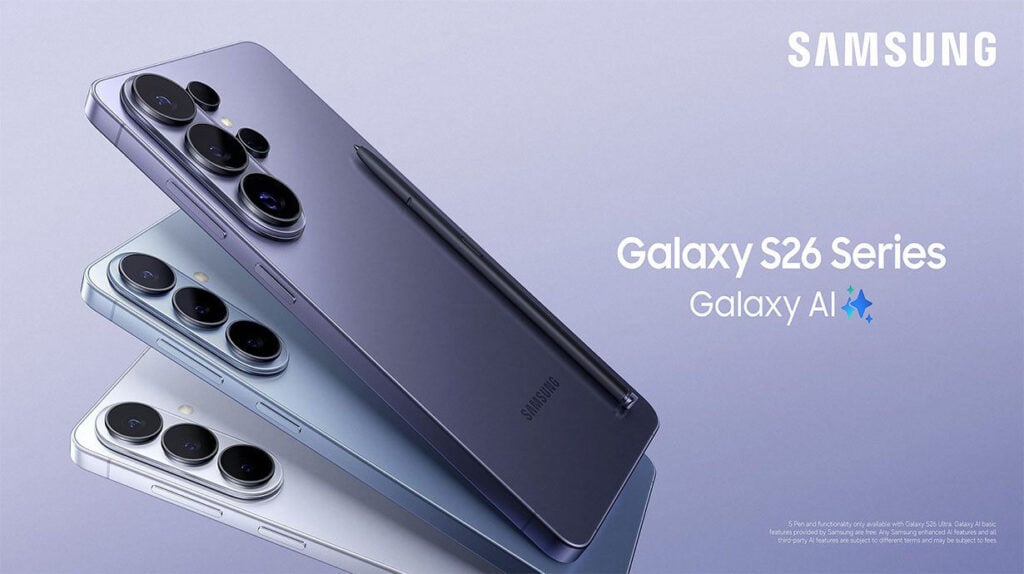
The Galaxy S26 runs Android 16 with Samsung’s latest One UI 8.5 interface layered on top. According to Samsung’s software support policy, the S26 series will receive 7 major OS updates along with 7 years of security patches. That is one of the longest software support commitments in the industry.
One UI 8.5 feels cleaner, smoother, and more intelligent than previous versions. Animations are fluid, multitasking is polished, and the interface remains highly customizable without feeling overwhelming.
Samsung’s growing focus on AI is evident throughout the software experience. Galaxy AI features are deeply integrated into the system, offering smarter search functionality, real-time assistance, improved voice interactions, and contextual suggestions based on user habits.
Circle to Search remains one of the most useful AI-powered features, allowing users to instantly search anything visible on screen with a simple gesture. Samsung DeX and DeX Wireless also continue to turn the Galaxy S26 into a capable productivity device for users who frequently work across multiple screens.
The AI enhancements feel more practical this year rather than gimmicky, helping improve everyday usability without becoming intrusive.
Samsung Galaxy S26 Battery
The Samsung Galaxy S26 introduces significant improvements in energy efficiency and power delivery. By leveraging the latest chipset architecture, the device manages background processes with greater precision than its predecessor galaxy S25. This ensures that your phone remains responsive while consuming less power during standard tasks.
The Samsung Galaxy S26 delivers a noticeable improvement in battery life compared to its predecessor, thanks to a larger battery capacity and more efficient next-generation chipsets. Samsung has equipped the device with a 4300mAh Li-Ion battery, an upgrade over the Galaxy S25’s 4000mAh unit, giving users better endurance without making the phone significantly heavier or thicker.
In everyday use, the Galaxy S26 performs reliably throughout a full day of moderate to heavy usage. Whether you’re streaming videos, gaming, browsing social media, attending video calls, or using AI-powered features, the battery management feels well optimized. The improved efficiency of the Snapdragon 8 Elite Gen 5 and Exynos 2600 processors also plays a major role in reducing unnecessary power consumption during background tasks and multitasking.
Charging speeds, however, remain largely unchanged from previous generations. The Galaxy S26 supports 25W wired fast charging with USB Power Delivery 3.0 support, allowing the battery to reach roughly 50–55% in around 30 minutes under ideal conditions. While this charging speed is still decent for most users, it falls behind some competing Android flagships that now offer significantly faster charging technologies.
Wireless charging support is also included, with the Galaxy S26 supporting 15W Qi2 wireless charging alongside 4.5W reverse wireless charging for powering accessories like earbuds or smartwatches. Samsung continues to focus more on battery longevity and thermal stability rather than aggressively pushing ultra-fast charging speeds.
Thermal management during charging has also improved. The phone remains relatively cool during wired charging sessions, and battery optimization features inside One UI 8.5 help extend long-term battery health by intelligently managing charging cycles and background app activity.
Samsung’s software optimization contributes heavily to the overall battery experience. Features such as Adaptive Battery, AI-based power management, and automatic app sleep modes help reduce idle battery drain, making standby performance particularly strong.
While some users may still wish Samsung adopted newer silicon-carbon battery technology like some Chinese smartphone brands, Samsung appears to be prioritizing long-term reliability and battery safety over experimental battery advancements.
Conclusion
The Samsung Galaxy S26 proves to be a strong contender in the premium smartphone market, offering a refined blend of performance, design, AI-powered software, and long-term software support. Samsung has managed to improve the overall experience without sacrificing the compact and lightweight form factor that many users appreciate.
So, is the Samsung Galaxy S26 worth buying? The answer is YES, especially for users looking for a compact flagship smartphone that combines premium design, powerful performance, dependable cameras, and years of software support in one complete package.
Where to Buy Samsung Galaxy S26
Buy Samsung Galaxy S26 at Kara.com.ng to access the best price. The Samsung S26 price in Nigeria starts at around ₦1,280,000. If you are looking to buy Galaxy S26, Kara Nigeria is one of the best places to get competitive pricing, genuine products, and warranty coverage. We offer reliable customer support and nationwide delivery options across Nigeria.