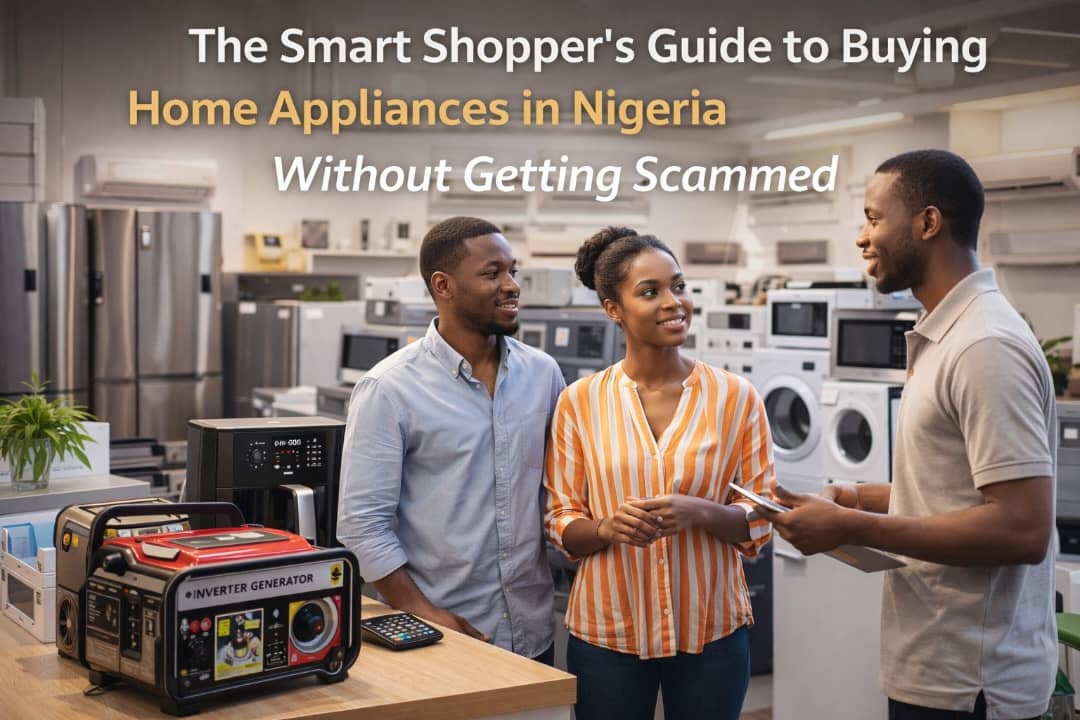
A smart shopper’s guide to buying home appliances in Nigeria, helping you avoid scams, fake products, and misleading prices. Navigating Nigeria’s home appliance market can feel like a minefield of inflated prices, counterfeit products, and unreliable warranties. At Kara Nigeria, we believe every Nigerian deserves to equip their home with quality, durable appliances that make life easier without the stress of being swindled. This definitive guide cuts through the noise, offering insider strategies to identify genuine products, spot real value, and ensure your investment serves your home for years to come. Whether you are buying a refrigerator, generator, air conditioner, or washing machine, shopping smart starts with the right knowledge.
Table of Contents
The 3 Red Flags of a Counterfeit Appliance in the Nigerian Market
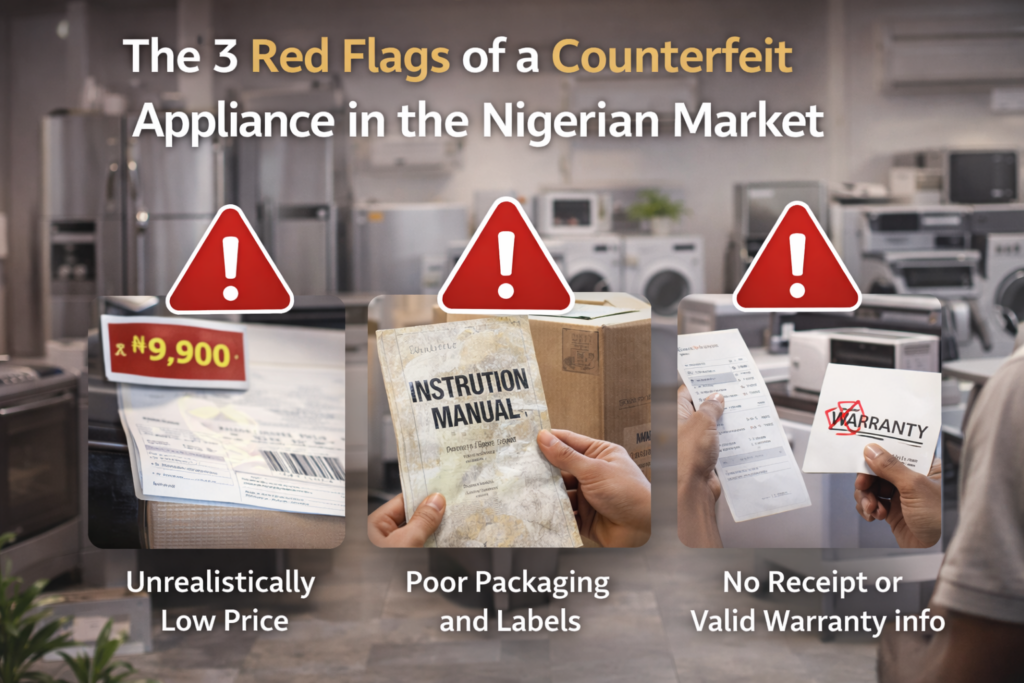
Counterfeit appliances are common in Nigeria and they often look convincing at first glance. One major red flag is unusually low pricing that feels too good to be true. Genuine appliances rarely sell far below market average unless they are refurbished or clearance items.
Another warning sign is poor packaging. Misspelled labels, faded manuals, or missing serial numbers usually indicate a fake product. Finally, sellers who avoid issuing receipts or provide vague warranty explanations should raise immediate concern. Legitimate appliances always come with proper documentation.
Voltage and Diesel Quality Why Technical Specs Are Not Just English
Many buyers overlook technical specifications, assuming they are only relevant to engineers. In reality, voltage ratings, power consumption, and fuel compatibility directly affect how long your appliance will last in Nigerian conditions.
For example, appliances not designed for fluctuating voltage may fail prematurely. Generators that cannot handle poor diesel quality may suffer frequent breakdowns. Understanding these specs protects you from buying appliances that are unsuitable for local power realities.
Generator Buying Decoded Inverter vs Conventional for Nigerian Homes
Choosing between inverter and conventional generators depends on your usage needs. Inverter generators are quieter, more fuel efficient, and safer for sensitive electronics like TVs and laptops. They are ideal for apartments and light household use.
Conventional generators, on the other hand, are better suited for heavier loads such as air conditioners and freezers. While they may consume more fuel, they offer higher output for extended usage. Knowing this difference prevents costly mismatches.
The Warranty Check What Lagos Based Service Really Means
Many sellers advertise Lagos based service without clarity. A real warranty means access to authorized technicians, genuine spare parts, and a verifiable service address.
Before buying, confirm whether repairs are handled locally or outsourced. Ask how long repairs typically take and whether parts are readily available. A warranty that exists only on paper offers little protection after purchase.
Price vs Total Cost of Ownership How to Calculate Real Value
The cheapest appliance is rarely the most affordable in the long run. Real value includes electricity or fuel consumption, maintenance frequency, spare parts availability, and lifespan.
For instance, a low priced air conditioner with high power consumption may cost more monthly than a slightly expensive energy efficient model. Smart shoppers consider both upfront cost and long term expenses before making a decision.
Where to Find Genuine Customer Reviews Beyond the Product Page
Product pages often highlight only positive feedback. For balanced insight, look beyond them. Independent reviews on Google, social media platforms, and third party marketplaces offer more realistic user experiences.
Pay attention to reviews that discuss durability, after sales support, and power performance. Consistent complaints across platforms usually indicate a real issue.
The Kara Standard Our 5 Point Verification Process for Every Appliance
At Kara Nigeria, every appliance goes through a strict verification process before reaching customers. This includes authenticity checks, voltage compatibility testing, warranty validation, supplier credibility review, and post sales support readiness.
This process ensures customers receive genuine products that work reliably in Nigerian homes. It is our commitment to eliminating uncertainty from appliance shopping.
Negotiation Scripts How to Politely Ask for a Better Deal
Negotiation is part of Nigerian shopping culture, but it should be done respectfully. Instead of demanding discounts, ask questions like whether there are ongoing promotions, bundle offers, or alternative models within your budget.
Being informed about market prices strengthens your position. Sellers are more likely to offer concessions to buyers who demonstrate knowledge rather than pressure.
Your Pre Purchase Checklist 10 Questions to Ask Before You Pay
Before completing any appliance purchase, ask these questions:
Is this product original and sealed?
What warranty does it come with?
Is after sales service available locally?
Is the appliance suitable for Nigerian voltage or fuel quality?
What is the average power or fuel consumption?
Are spare parts readily available?
Can I get a proper receipt and warranty card?
Is installation included or separate?
What happens if the appliance develops faults early?
Is there a return or exchange policy?
Final Thought
Buying home appliances in Nigeria does not have to be risky or confusing. With the right knowledge, attention to detail, and trusted retailers, you can shop confidently and protect your investment. Smart shopping is not about spending less, but about spending wisely on appliances that truly serve your home.