
Upgrade your Nigerian cooking with a durable food processor—reduce effort, save time, and enjoy rich, traditional flavors with ease. Nigerian cuisine is full of rich flavors and hearty dishes—but it can also be labor-intensive. Chopping, grinding, kneading, and blending by hand can take hours, especially when preparing for a family or a gathering. A high-quality food processor can cut meal prep time in half while preserving authentic flavors. From perfectly blended soups and smooth stew bases to homemade puff-puff batter and finely chopped vegetables, this versatile appliance transforms everyday cooking into a more efficient and enjoyable experience.
Table of Contents
Beyond Blending: Chopping, Grating & Kneading Nigerian Staples
A food processor isn’t just a blender. Modern models can handle multiple tasks:
- Chopping vegetables: onions, peppers, tomatoes, and spinach become effortless.
- Grating root vegetables: yams, cocoyam, and carrots are shredded in seconds.
- Kneading dough: perfect for pastries, akara, or fufu dough.
For Nigerian chefs who cook large portions or entertain frequently, these functions save hours of prep work, making the kitchen less stressful and more fun.
Soup in Half the Time: Perfect Egusi, Ogbono & Vegetable Blends
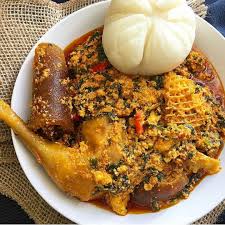
Soups like Egusi, Ogbono, and vegetable blends require smooth pastes for the best texture. Food processors:
- Pulverize egusi seeds and ogbono quickly
- Create uniform vegetable blends without overcooking
- Reduce stirring and grinding time dramatically
This means you can serve rich, authentic soups faster, without compromising on taste or consistency.
The Power Motor Needed for Nigerian Tough Ingredients (Yam, Cocoyam)
Not all food processors are created equal—especially when tackling tough Nigerian staples. Look for:
- Motor power of 700W or higher for roots and fibrous vegetables
- Durable stainless steel blades for yams, cocoyam, and plantains
- Multi-speed settings to handle both delicate herbs and hard tubers
A strong motor ensures your appliance lasts longer and doesn’t burn out when processing dense ingredients.
Easy Clean-Up: Features That Matter After Making a Messy Stew
Cooking Nigerian dishes can get messy, so cleanup matters:
- Detachable bowls and blades for easy washing
- Dishwasher-safe parts to save time
- Non-slip bases for stability during operation
Choosing a model with these features means you spend less time cleaning and more time enjoying your meal.
7 Nigerian Recipes to Test Your New Food Processor’s Capabilities
Once your food processor is ready, try these classic dishes:
- Egusi soup – blended seeds for smooth consistency
- Ogbono soup – perfect paste without lumps
- Vegetable soup (Efo Riro, Afang) – uniform texture in minutes
- Puff-puff batter – quick, smooth, and airy
- Moi Moi – blended beans with minimal effort
- Fried plantains or yam flour preparation – even slices and mixes
- Pepper and tomato sauce – perfectly smooth without hand grinding
These recipes highlight versatility, efficiency, and flavor preservation—all made possible with a good food processor.
Final Thoughts
A food processor isn’t just a gadget—it’s a time-saving, labor-reducing, creativity-boosting tool for Nigerian kitchens. By investing in a durable, powerful, and easy-to-clean model, you can enjoy traditional dishes faster, experiment with new recipes, and make daily cooking a joy rather than a chore.