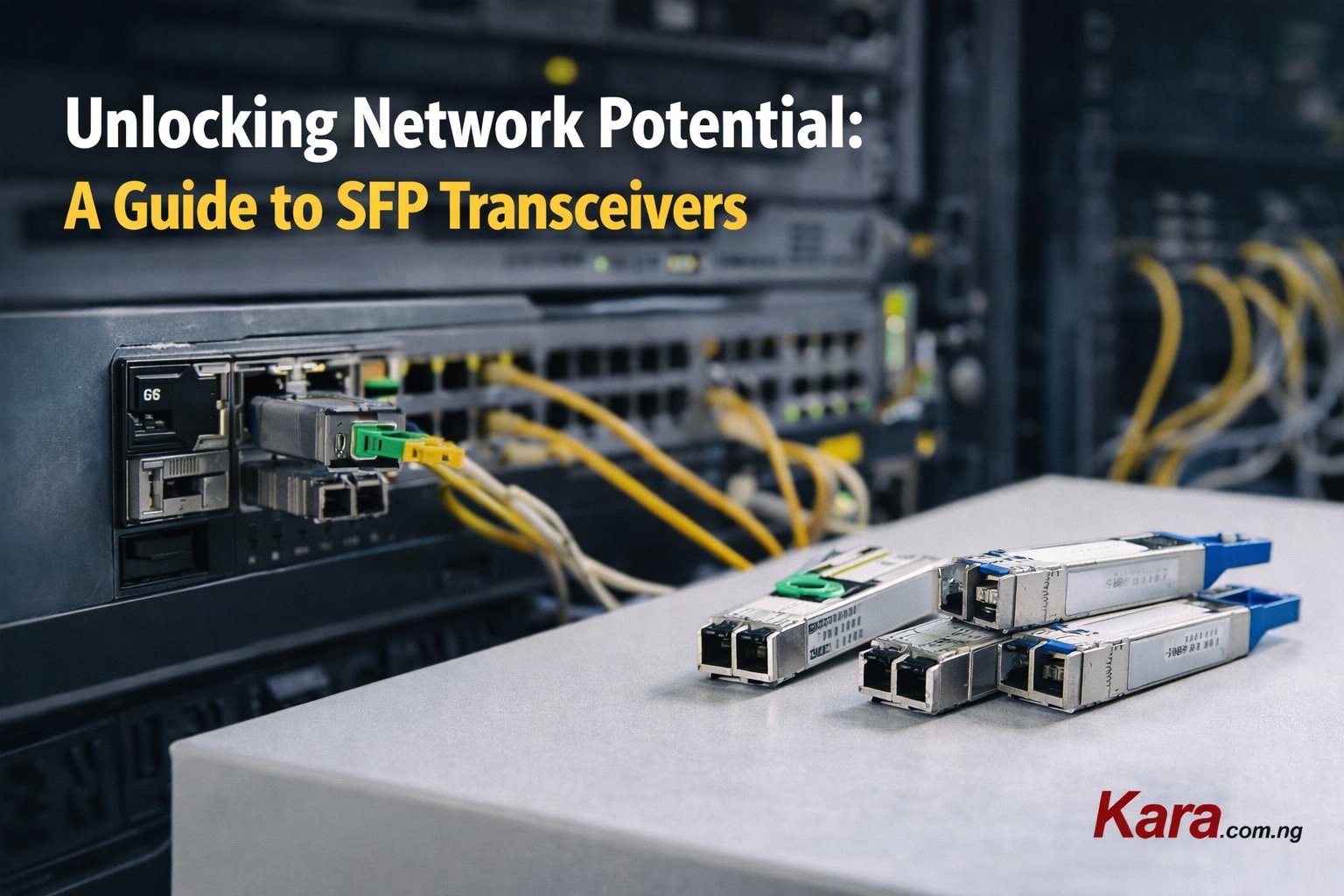
In this guide, we explain how SFP transceivers work, why they are essential for modern network infrastructure, and how choosing the right module can significantly improve network performance and scalability. Modern businesses depend on fast and reliable network connectivity to run applications, transfer data, and support digital operations. One small but powerful component that makes this possible is the SFP transceiver. These compact modules allow switches, routers, and other networking devices to connect to fibre or copper cables, enabling high-speed data transmission across different distances.
SFP transceivers helps businesses and IT professionals understand how these compact modules enable fast and reliable data transmission across modern networks.
click here to order for SFP Transceivers
Table of Contents
Why SFP Transceivers Matter in Modern Networks
Reliable network connectivity is critical for businesses, internet providers, and data driven operations. From offices and campuses to data centres, the need for fast and stable communication between devices continues to grow.
This is where SFP modules become important. Many IT professionals searching what SFP transceivers are used for in networking infrastructure want a flexible way to connect switches, routers, and fibre cables without replacing expensive equipment.
SFP transceivers provide that flexibility. They allow network devices to communicate over fibre optic or copper cables while supporting high speed data transfer.
For organizations building scalable networks, these small modules can make a significant difference in performance and reliability.
Understanding What SFP Transceivers Are and How They Work
Before choosing one, it helps to understand the basics.
SFP stands for Small Form Factor Pluggable. These are compact modules that plug directly into network devices such as switches, routers, and media converters.
They work by converting electrical signals from a device into optical signals that travel through fibre cables, then converting them back into electrical signals on the receiving end.
Many people researching how SFP transceivers enable fibre network connectivity find that this conversion process allows data to travel long distances while maintaining speed and stability.
Because SFP modules are hot swappable, they can be inserted or replaced without shutting down the network device. This makes upgrades and maintenance easier for IT teams.
Different Types of SFP Transceivers Used in Networks
Not all SFP modules are the same. They are designed for different data speeds, transmission distances, and network environments.
Network engineers often search types of SFP transceivers used in enterprise networks when planning infrastructure upgrades.
Some of the most common types include:
Standard SFP modules
These typically support speeds up to 1 Gbps and are used in many small and medium sized networks.
SFP+ modules
These support speeds up to 10 Gbps and are commonly used in data centres and enterprise environments.
SFP28 modules
Designed for high performance networks, these support speeds up to 25 Gbps.
Each type is built for different levels of network demand.
Key Benefits of Using SFP Transceivers in Network Infrastructure
Many organizations prefer SFP technology because it offers flexibility and scalability.
IT teams often look for benefits of using SFP transceivers in fibre networks when designing infrastructure.
Some of the major advantages include:
Flexible network upgrades
Instead of replacing entire switches, you can simply swap transceivers.
Long distance connectivity
Fibre compatible modules allow communication across long distances.
Improved network speed
Modern SFP modules support high bandwidth transmission.
Compact design
Their small size allows devices to support multiple ports.
These advantages make SFP modules a popular choice for growing network environments.
click here to order for SFP Transceivers
Important Features to Consider When Choosing SFP Transceivers
Selecting the right module is important for stable network performance.
Network buyers often research how to choose the right SFP transceiver for your network before making a purchase.
Here are a few factors to consider:
Data rate
Choose a module that supports the speed your network requires.
Cable compatibility
Some modules work with single mode fibre while others support multi-mode fibre.
Transmission distance
Different modules are designed for distances ranging from a few metres to several kilometers.
Device compatibility
Always confirm that the transceiver is supported by your network hardware.
Making the right choice ensures reliable connectivity and prevents compatibility issues.
Comparing SFP vs SFP+ vs Other Network Transceiver Modules
Network buyers frequently search difference between SFP and SFP+ transceivers for networking.
The main difference lies in speed and application.
| Transceiver Type | Maximum Speed | Typical Use Case |
| SFP | Up to 1 Gbps | Small office networks |
| SFP+ | Up to 10 Gbps | Enterprise networks |
| SFP28 | Up to 25 Gbps | High performance data centres |
Higher speed modules are typically used where large volumes of data must move quickly between servers and switches.
Installing and Configuring SFP Transceivers
Installing an SFP module is usually straightforward.
Many technicians searching how to install SFP transceivers in network switches follow these basic steps:
- Insert the SFP module into the compatible port on the device.
- Connect the fibre or copper cable to the module.
- Power on the network device if required.
- Verify that the link is active.
Most modern switches automatically detect installed modules and configure the connection.
click here to order for SFP Transceivers
Common SFP Transceiver Issues and How to Troubleshoot Them
Even reliable network equipment may occasionally experience issues.
Network administrators searching troubleshooting common SFP transceiver connectivity issues often encounter problems such as:
• Device not recognizing the module
• Poor signal quality
• Intermittent network connection
• Loose fibre connections
Most issues can be resolved by checking cable connections, ensuring compatibility, or replacing faulty modules.
Regular monitoring helps detect problems early.
Future Trends in SFP Network Technology
Networking technology continues to evolve rapidly.
Many professionals researching future trends in SFP transceiver technology for data centres are seeing developments in:
• Higher speed modules
• More energy efficient designs
• Advanced diagnostics and monitoring
• Increased port density in network devices
These improvements will allow networks to support larger volumes of data while maintaining reliability.
Expert Recommendation
SFP transceivers remain an important part of modern network infrastructure. Their flexibility, compact size, and ability to support fibre and copper connections make them a practical solution for growing networks.
They are particularly useful for:
• Enterprise network upgrades
• Data Centre infrastructure
• Fibre network expansion
• High speed connectivity between switches and routers
Understanding how these modules work helps network professionals design faster and more reliable systems.
As network demands continue to increase, SFP technology will remain a key tool for building scalable and high-performance connectivity solutions.